
How Home Health Supports Recovery After Hospitalization

Date: October 19, 2026
Categories: Health Focused, Primary Care
Coming home from the hospital can feel like a strange mix of relief and uncertainty. You are glad to be home, but you might also feel unsure about what comes next. That in-between space, the days and weeks right after discharge, is where home health can make a real difference.
Whether you are recovering from surgery, a long hospital stay, or the birth of a baby, that transition home isn’t always as smooth as it looks on paper. You may have pain to manage, mobility to rebuild, or simply a body that needs more time than expected. Home health fills that gap, offering support exactly when you need it most.
Here is how home health can help carry you through that important aftercare period.
The Gap Between Hospital and Full Recovery
Hospitals are set up for intensive, short-term care, but real recovery often happens after you leave. This is when questions start to creep in. Is this pain normal? Am I healing the way I should be? Do I really need to call someone about this?
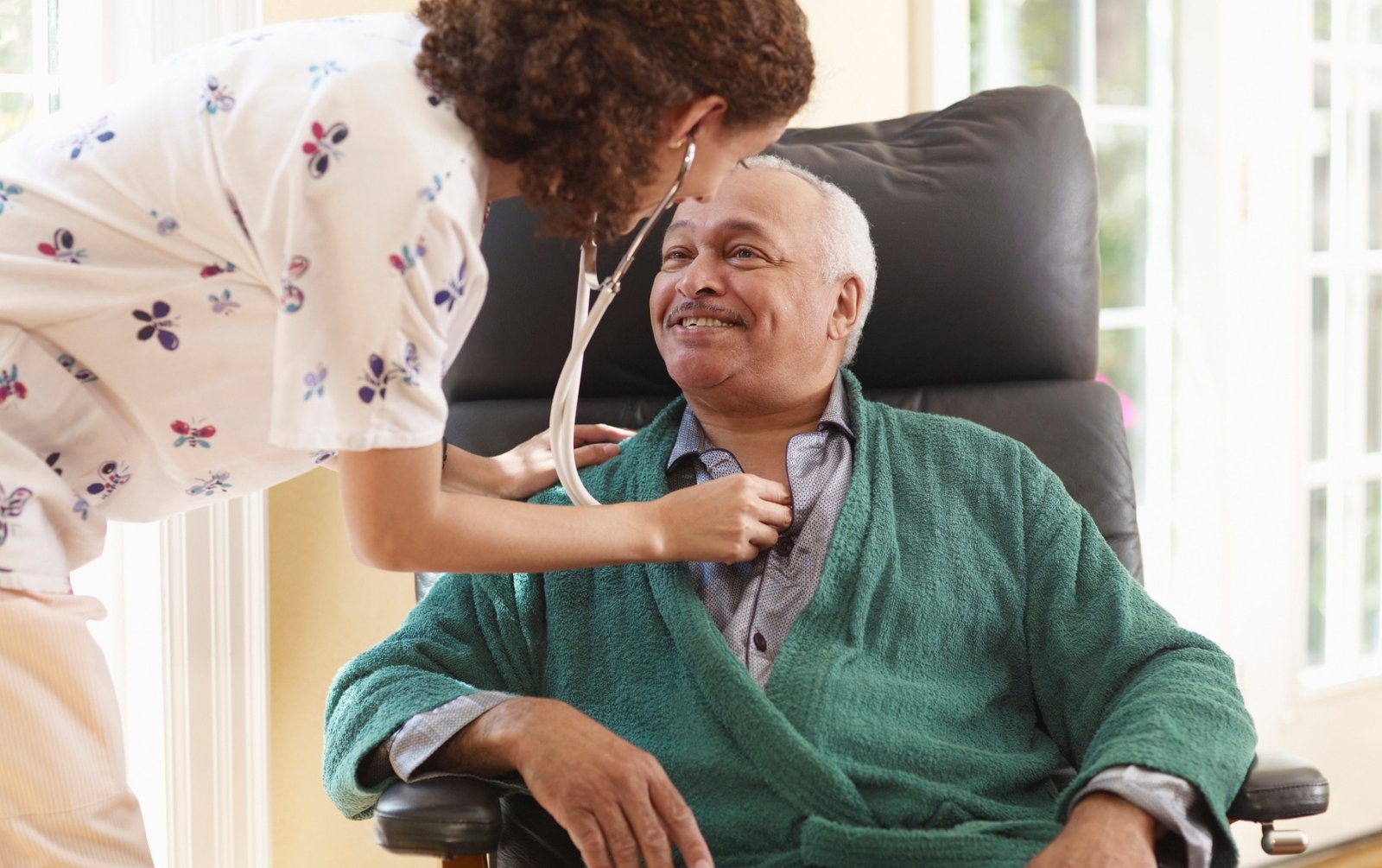
This gap between hospital discharge and full recovery is often where things can quietly go wrong. Without the right support, small issues such as pain management can turn into bigger setbacks, sometimes leading right back to the hospital. Home health helps close that gap safely.
How Home Health Supports Your Aftercare Journey
Aftercare is about more than just healing. It is about feeling supported, informed, and safe as your body recovers. Here is how home health helps carry that support directly into your home.
1) A Personalized Recovery Plan
No two recoveries look exactly the same, so home health starts with a plan built around you. A team looks at your specific situation, whether that is surgery, a long hospital stay, or a recent delivery, and builds a plan that fits your needs. This personal approach helps make recovery feel less overwhelming.
2) Continuity Between Hospital and Home
One of the hardest parts of coming home is feeling like you have to start over and explain your situation again and again. Home health helps bridge that gap, working directly with your primary care physician to continue the care that started in the hospital. This continuity means less repetition and more consistency during a vulnerable time.
3) Preventing Hospital Readmission
Many hospital readmissions happen because small warning signs go unnoticed at home. With regular visits from a skilled nurse, changes in your condition are far more likely to be caught early. This proactive support can be the difference between a manageable adjustment and an unplanned trip back to the hospital.
4) Emotional Support During Recovery
Recovery isn’t just physical. It can bring up feelings of frustration, anxiety, or even loneliness, especially if you are used to being the one who takes care of everyone else. Home health providers offer more than clinical care. They offer a familiar, reassuring presence during a time that can feel isolating.
5) Support for Family Caregivers
When a loved one comes home from the hospital, family members often step into a caregiving role overnight, sometimes without much guidance. Home health providers can guide families through what to expect and how to help. This support can ease the pressure on caregivers who are doing their best with very little preparation.
Aftercare That Adapts to You
Whether you are recovering from a surgical procedure, a lengthy hospital stay, or the physical demands of childbirth, your aftercare needs are personal. Home health services can be tailored to whatever your recovery requires. This flexibility means your care can shift and adjust as your needs change.
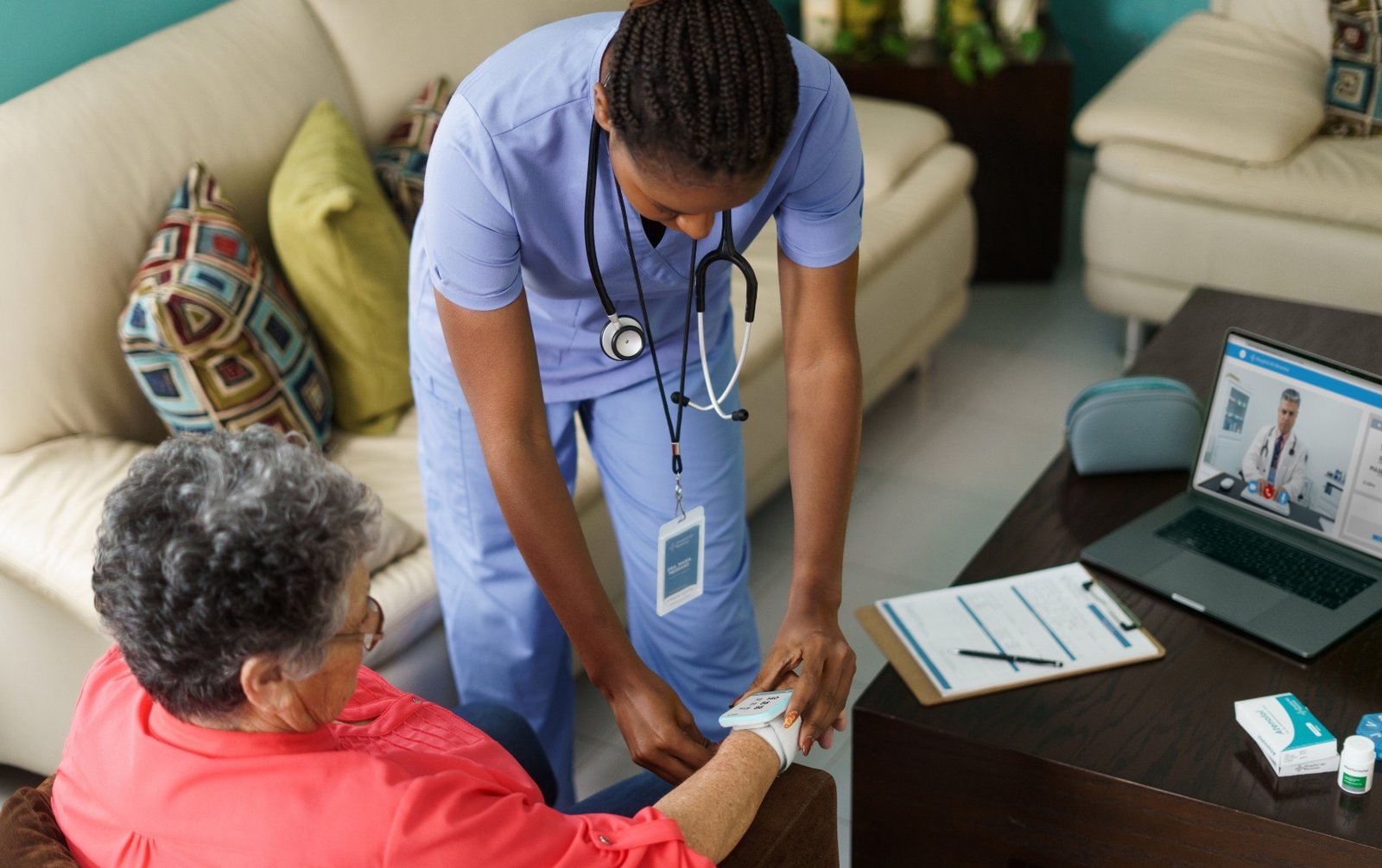
You don't have to figure out this stage alone, and you shouldn't have to. Aftercare is just as important as the care you received in the hospital, even though it often gets less attention.
You Deserve Support at Every Step
Recovery doesn’t end the moment you walk out of the hospital doors. The days that follow matter just as much, and having the right support can make all the difference in how you heal. You deserve care that follows you home, not just care that stops at discharge.
It is easy to feel like you should be able to handle everything on your own once you are back in familiar surroundings. But healing takes time, patience, and often more support than we expect. Letting that support in isn’t a setback. It is simply part of doing recovery well.
Aftercare Support at Augusta Health
At Augusta Health, our Home Health program is built around this exact moment, the space between hospital and full recovery. Our team offers various services including skilled nursing, physical therapy, occupational therapy, speech therapy, medical social work, and home health aide services, all provided in the comfort of your own home. With nurses on call 24/7, you are never navigating recovery without support close by.
If you think you or a loved one could benefit from aftercare support at home, call us at 540-324-8021 or visit our website to find an Augusta Health provider near you.