
Preventive Care Every Woman Should Schedule This Year
Date: September 30, 2026
Categories: Primary Care, Women's Health
Preventive care can easily fall to the bottom of a busy to-do list. But staying current with routine visits, screenings, and vaccines can help you protect your health now and in the years ahead. What you need may change with your age, health history, and individual risk factors. Preventive care is not only about finding health problems. It can help you understand your risks, identify changes early, stay current with recommended vaccines and screenings, and build healthy habits that support your long-term well-being.
You may not need every screening or appointment every year. Your healthcare provider can help you understand what is recommended for you based on your age, personal and family history, previous results, and overall health. Here are some preventive care priorities to discuss with your healthcare provider at different stages of life.
Childhood Through the Teen Years
Preventive care during childhood and the teen years helps support healthy growth and development while building habits that can continue into adulthood. Regular visits give families a chance to stay current with recommended vaccines, monitor physical and emotional health, and discuss concerns as children grow.
1) Well-Child Visits and Vaccines
Regular well-child visits allow healthcare providers to monitor growth and development, provide recommended vaccines, and address questions about nutrition, sleep, physical activity, behavior, and overall health. As children become teenagers, these visits can also include conversations about mental health, puberty, menstrual health, and other changes that happen during adolescence.

2) Vision and Hearing Screenings
Vision and hearing are important parts of a child's overall health and development. Age-appropriate screenings can help identify concerns that may affect learning, communication, or everyday activities. Your child's healthcare provider can help you understand when additional vision or hearing evaluation may be needed.
3) HPV Vaccine
The HPV vaccine helps protect against HPV infections that can cause several types of cancer later in life. It is routinely recommended beginning during the preteen years, when the vaccine can provide protection well before potential exposure to HPV. If your child or teen has not received the HPV vaccine or has not completed the recommended series, talk with their healthcare provider about when vaccination may be appropriate.
4) Mental and Emotional Health
Mental and emotional health are important parts of preventive care during childhood and adolescence. Regular visits give children and teens opportunities to talk about mood, anxiety, stress, sleep, school, relationships, or other concerns. Raising concerns early can help families connect with support when they need it.
Preventive Care for Young Adult Women
Your 20s and 30s are an important time to build preventive care habits and establish relationships with healthcare providers you trust. Even if you feel healthy, regular preventive care can help you understand your health, stay current with recommended screenings and vaccines, and identify potential concerns early.
1) Preventive and Well-Woman Visits
Regular preventive visits are a chance to discuss your overall health, including nutrition, physical activity, sleep, mental health, medications, family history, and any new or changing symptoms. A well-woman visit can also address reproductive and sexual health, including periods, birth control, fertility, pregnancy planning, or other concerns. Depending on your needs, your primary care and women's health providers may work together to support different parts of your care.
2) Pap Smears (Cervical Cancer) and STI Screening
Stay current with recommended cervical cancer screening. When and how often you need screening depends on your age, health history, previous results, and other individual factors. Your healthcare provider can also help determine whether screening for sexually transmitted infections is recommended based on your age and individual risk. These conversations are a routine part of preventive healthcare.
3) Know Your Health Numbers
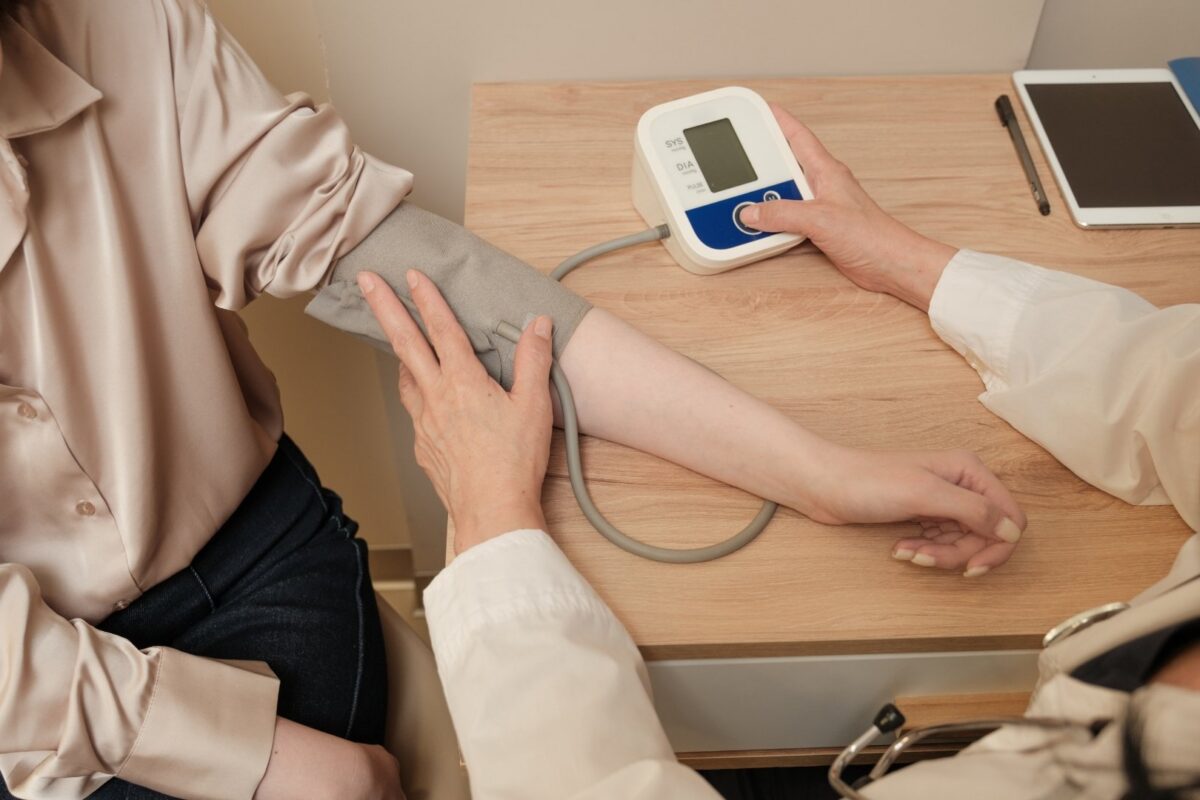
Preventive care can help you keep track of important health measures, including your blood pressure and other numbers your provider recommends based on your age and individual risk. Knowing your family history is important, too. Tell your provider if close family members have had conditions such as heart disease, high blood pressure, diabetes, or certain cancers. This information can help guide your preventive care.
4) Stay Current With Vaccines
Vaccines remain an important part of preventive care throughout adulthood. Your healthcare provider can review your vaccination history and help you understand which vaccines or boosters you may need.
5) Mental Health
Mental and emotional health are important parts of your overall health. Talk with your healthcare provider about ongoing stress, anxiety, depression, sleep concerns, or other changes that are affecting your daily life. You do not have to wait until symptoms become severe to bring them up.
3) Dental and Vision Care
Regular dental care can help protect your teeth and gums and identify concerns early. Routine eye care can also help monitor your vision and overall eye health. How often you need these visits may depend on your health, vision, dental history, and your provider's recommendations.
Preventive Care for Women in their 40s-60s
Preventive care becomes especially important during your 40s, 50s, and 60s as your health needs and risk factors may change. Staying current with recommended screenings can help identify concerns earlier, while regular visits give you a chance to talk with your provider about heart health, menopause, bone health, and other midlife changes.
1) Breast Cancer Screening
Stay current with recommended mammograms based on your age and individual risk. Regular breast cancer screening can help find cancer earlier, when treatment may be more effective. Talk with your healthcare provider about when to begin screening, how often you need a mammogram, and whether your personal or family history affects your screening plan.
2) Colorectal Cancer Screening
For adults at average risk, colorectal cancer screening generally begins at age 45. Several screening options are available, and your healthcare provider can help you choose the approach that's right for you. You may need to begin screening earlier or follow a different schedule if you have certain risk factors or a personal or family history of colorectal cancer or polyps.
3) Heart Health and Blood Pressure
Heart health is an important part of preventive care during midlife. Stay current with blood pressure checks and talk with your provider about cholesterol and other factors that may affect your cardiovascular risk.
Your family history, physical activity, smoking history, diabetes, and other health conditions can all help your provider understand your individual risk and recommend appropriate preventive care.
4) Diabetes Screening
Your healthcare provider may recommend screening for prediabetes or type 2 diabetes based on your age, health history, and other risk factors. Because high blood sugar may not cause obvious symptoms at first, appropriate screening can help identify changes earlier. Talk with your provider about whether you are due for testing and what your results mean for your health.
5) Menopause and Bone Health
Your 40s and 50s may bring changes related to perimenopause and menopause. Talk with your healthcare provider about changes in your periods, hot flashes, sleep, mood, vaginal health, or other symptoms that are affecting your daily life.
This is also a good time to discuss bone health and your individual risk for osteoporosis. Your provider can help you understand steps that may support healthy bones and whether earlier screening may be appropriate based on your risk factors.
6) Other Screenings Based on Your Risk
Not every screening is recommended routinely for every woman. Your healthcare provider may recommend additional evaluation or screening based on your symptoms, family history, medications, health conditions, or other individual risk factors. For example, concerns about thyroid health or skin cancer may require evaluation based on your health history, symptoms, or personal risk. Talk with your provider about what is appropriate for you.
Preventive Care for Women in their 70s
In your 70s, preventive care often focuses on helping you stay active, independent, and connected to the activities you enjoy. Along with the screenings and routine care you already receive, consider these priorities.
1) Protect Your Bones
Bone health becomes increasingly important with age. If you have not already had a bone density screening, talk with your healthcare provider about whether one is appropriate for you. Staying active, getting appropriate nutrition, and understanding your fracture risk can also help protect your bones and mobility.
2) Review Your Medications
If you take several prescriptions, over-the-counter medications, or supplements, bring an updated list to your healthcare visits. A medication review can help identify possible side effects, interactions, or medications you may no longer need. Tell your provider about changes such as dizziness, fatigue, or balance problems, especially if they began after starting or changing a medication.
3) Pay Attention to Hearing
Hearing changes can happen gradually and may be easy to overlook. If you have trouble following conversations, turn up the television more often, or notice other changes in your hearing, talk with your healthcare provider. Addressing hearing concerns can support communication, social connection, and quality of life.
4) Protect Your Balance and Mobility
Maintaining strength and balance can help you stay active and reduce your risk of falls. Talk with your provider about changes in walking, balance, strength, or vision that may affect your safety or independence. Simple steps, such as staying physically active and addressing potential safety concerns at home, can also help reduce fall risk.

5) Talk About Changes in Memory or Thinking
Occasional forgetfulness can happen with age, but new or worsening changes in memory, thinking, or the ability to complete everyday activities are worth discussing with your healthcare provider. Talking about these changes early can help identify possible causes and connect you or your family with additional support when needed
Making Preventive Care for Women a Priority This Year
Keeping up with preventive care does not have to mean scheduling every appointment at once. Start by checking when you last had a preventive visit and whether you are due for any screenings, vaccines, or follow-up care.
Before your next appointment, make a short list of any changes in your health, medications you take, and questions you want to discuss. Your healthcare provider can help you decide what care is appropriate now and what to plan for later.
The goal is not to complete every screening on a list. It is to stay informed, know what you are due for, and take the next step that makes sense for your health.
Preventive Care for Women of All Ages at Augusta Health
Staying current with preventive care is easier when a healthcare team knows your history and can help you plan ahead. At Augusta Health, our primary care providers and Center for Women's Health work to support your health through different stages of life.
Whether you are due for a preventive visit, have questions about a screening, or simply are not sure what you need next, your healthcare provider can help you create a plan based on your age, health history, and individual needs.
Not sure what you are due for? Start with a conversation. To schedule an appointment with Augusta Health OB/GYN in Harrisonburg, call 540-236-3167. For appointments with Augusta Health OB/GYN in Fishersville or Lexington, call 540-255-0227. You can also visit our website to find an Augusta Health provider near you.