
Managing High Blood Pressure in Pregnancy

Date: October 1, 2026
Categories: Primary Care, Women's Health
Pregnancy brings many changes, and blood pressure is one of the important health measures your care team will monitor throughout prenatal care. High blood pressure can develop during pregnancy or may be a condition you had before becoming pregnant.
High blood pressure during pregnancy does not always cause noticeable symptoms, which is one reason regular prenatal care is so important. Depending on the type and severity, your care team may recommend more frequent blood pressure checks, additional monitoring, medication, or other changes to your care.
If you have high blood pressure during pregnancy, staying connected with your prenatal care team can help you understand what your blood pressure readings mean, what symptoms to watch for, and when you may need additional care.
Here is what to know about the different types of high blood pressure during pregnancy, how they are monitored and managed, and which symptoms need immediate attention.
Types of High Blood Pressure During Pregnancy
High blood pressure during pregnancy can develop in different ways. Knowing which type you have helps your care team determine how closely you and your baby may need to be monitored and what treatment may be appropriate.
1) Chronic Hypertension
Chronic hypertension is high blood pressure that was present before pregnancy or is identified early in pregnancy. If you have chronic hypertension, your care team will monitor your blood pressure throughout pregnancy and may recommend changes to your medications or additional monitoring.
Some blood pressure medications are not recommended during pregnancy, so talk with your healthcare provider about everything you take. Do not stop or change a prescribed medication on your own.
People with chronic hypertension also have a higher risk of developing preeclampsia during pregnancy, making regular prenatal care especially important.
2) Gestational Hypertension
Gestational hypertension is high blood pressure that develops after 20 weeks of pregnancy in someone who did not previously have high blood pressure and does not have other findings of preeclampsia.
Gestational hypertension requires ongoing monitoring because it can sometimes progress to preeclampsia. Blood pressure may return to normal after delivery, but follow-up is still important because high blood pressure can continue or develop after pregnancy.
3) Preeclampsia
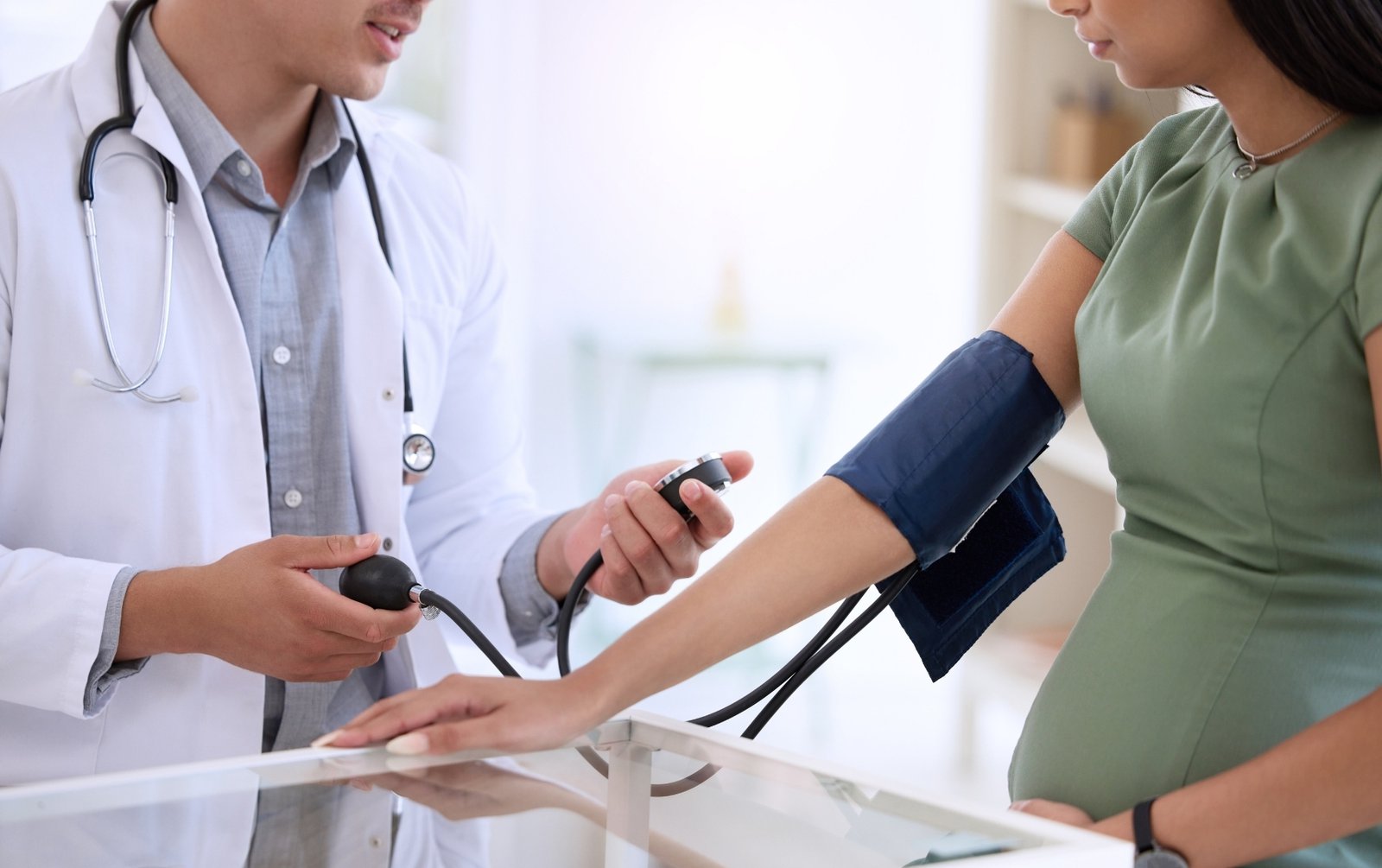
Preeclampsia is a serious pregnancy-related condition involving high blood pressure and signs that other organs or body systems may be affected. It usually develops after 20 weeks of pregnancy, but it can also occur after delivery.
Preeclampsia can sometimes develop without noticeable symptoms. When symptoms do occur, they may include a severe headache, vision changes, upper abdominal pain, shortness of breath, or sudden swelling. Knowing these warning signs and following your care team's instructions about when to seek medical attention are important parts of your care.
Why Managing Blood Pressure in Pregnancy Matters
High blood pressure during pregnancy can affect both you and your baby, which is why regular monitoring is an important part of prenatal care. Your care team will monitor your blood pressure and may also recommend additional tests or appointments based on your individual needs. These checks can help identify changes in your health and monitor your baby's growth and well-being.
Keeping your prenatal appointments, following your treatment plan, and letting your care team know about new or concerning symptoms can help them respond to changes and decide whether you need additional care.
Managing High Blood Pressure During Pregnancy
If you have high blood pressure during pregnancy, your care plan will depend on the type of hypertension you have, your blood pressure readings, your overall health, and how your baby is doing. Your prenatal care team will help determine the appropriate monitoring and treatment for you.
1) Keep Your Prenatal Appointments
Regular prenatal visits allow your care team to monitor your blood pressure and watch for changes throughout pregnancy. Depending on your needs, your provider may recommend additional appointments, lab tests, ultrasounds, or other monitoring.
Follow the appointment schedule your care team recommends, and contact them if you have questions or notice concerning symptoms between visits.
2) Monitor Your Blood Pressure at Home if Recommended
Your provider may ask you to check your blood pressure at home between appointments. If so, ask what readings they want you to report and when you should contact them or seek medical attention. Follow your care team's instructions for how often to check your blood pressure and keep a record of your readings to share at appointments.
3) Take Medications as Prescribed
Some people need medication to manage high blood pressure during pregnancy. Take your medication exactly as prescribed, and do not stop, start, or change the dose of any medication without talking with your healthcare provider.
Make sure your care team knows about all prescription medications, over-the-counter medicines, vitamins, and supplements you take so they can help determine what is appropriate during pregnancy.
4) Follow Your Care Team's Guidance for Nutrition and Activity
A balanced diet and regular physical activity can support your overall health during pregnancy. Your nutritional and activity needs may vary depending on your health, pregnancy, and treatment plan. Talk with your care team about what is appropriate for you, rather than making major dietary or exercise changes on your own to lower your blood pressure.
5) Know Which Symptoms Need Immediate Attention
High blood pressure and preeclampsia do not always cause noticeable symptoms. Follow your care team's instructions about symptoms to watch for and when to seek medical attention. Do not wait for your next prenatal appointment if you develop a severe headache, changes in vision, severe pain in the upper abdomen, difficulty breathing, or other symptoms your care team has told you require immediate attention.
Know When to Seek Medical Attention
High blood pressure and preeclampsia do not always cause noticeable symptoms. That is why keeping your prenatal appointments and following your care team's recommendations for blood pressure monitoring are important.
Contact your prenatal care team right away if you develop symptoms such as:
- A severe headache that does not go away
- Changes in vision, such as blurred vision, flashing lights, or spots
- Pain in the upper abdomen, especially on the right side
- Sudden or significant swelling of the face or hands
- Nausea or vomiting that develops later in pregnancy or is different from what you normally experience
- Difficulty breathing or shortness of breath
Some symptoms may require immediate medical attention. Follow the instructions your prenatal care team has given you, and seek emergency care for severe symptoms such as significant difficulty breathing, chest pain, fainting, seizures, or other symptoms that feel like an emergency.
If you are unsure whether a symptom needs immediate attention, contact your prenatal care team for guidance rather than waiting until your next appointment.
Supportive Care at Augusta Health
If you have high blood pressure before or during pregnancy, you do not have to navigate your care alone. At Augusta Health, our Center for Women's Health provides prenatal care and can help monitor your health and your baby's well-being throughout pregnancy.
Your care team will work with you to understand your blood pressure, determine what monitoring or treatment may be appropriate, and help you know which symptoms need immediate attention. Your individual care plan may change throughout pregnancy based on your health and your baby's needs.
High blood pressure also deserves attention after your baby is born. Follow your care team's recommendations for postpartum appointments and blood pressure monitoring, and keep watching for concerning symptoms. Preeclampsia and other blood pressure problems can develop or continue after delivery.
If you have questions about high blood pressure during pregnancy or need to establish prenatal care, schedule an appointment with Augusta Health OB/GYN in Harrisonburg by calling 540-236-3167, or call 540-255-0227 for appointments in Fishersville or Lexington. You can also visit our website to find an Augusta Health provider near you.