Stroke Recovery: Regaining Strength and Mobility
Date: November 3, 2026
Categories: Health Focused
Stroke recovery often involves rebuilding physical abilities that once felt automatic. Walking across a room, standing up from a chair, or simply keeping your balance can suddenly require focused effort. Understanding why these changes happen is an important first step toward regaining strength and mobility.
While rehabilitation includes many types of therapy, mobility and strength often become a central focus for patients working to move safely and confidently again. Knowing this process can help patients and families know what to expect.
Why Weakness and Balance Problems Happen During Stroke Recovery
A stroke occurs when blood flow to part of the brain is interrupted, damaging the tissue in that area. Since the brain controls movement, this damage can affect strength, coordination, and balance on one or both sides of the body. The specific effects depend on which part of the brain was involved.
Weakness, often called hemiparesis, is one of the most common physical effects of stroke. Balance problems can also occur, making it harder to stand, walk, or shift positions safely. Coordination difficulties may affect the ability to perform smooth, controlled movements, even in simple daily tasks.
How Physical Rehabilitation Addresses These Challenges
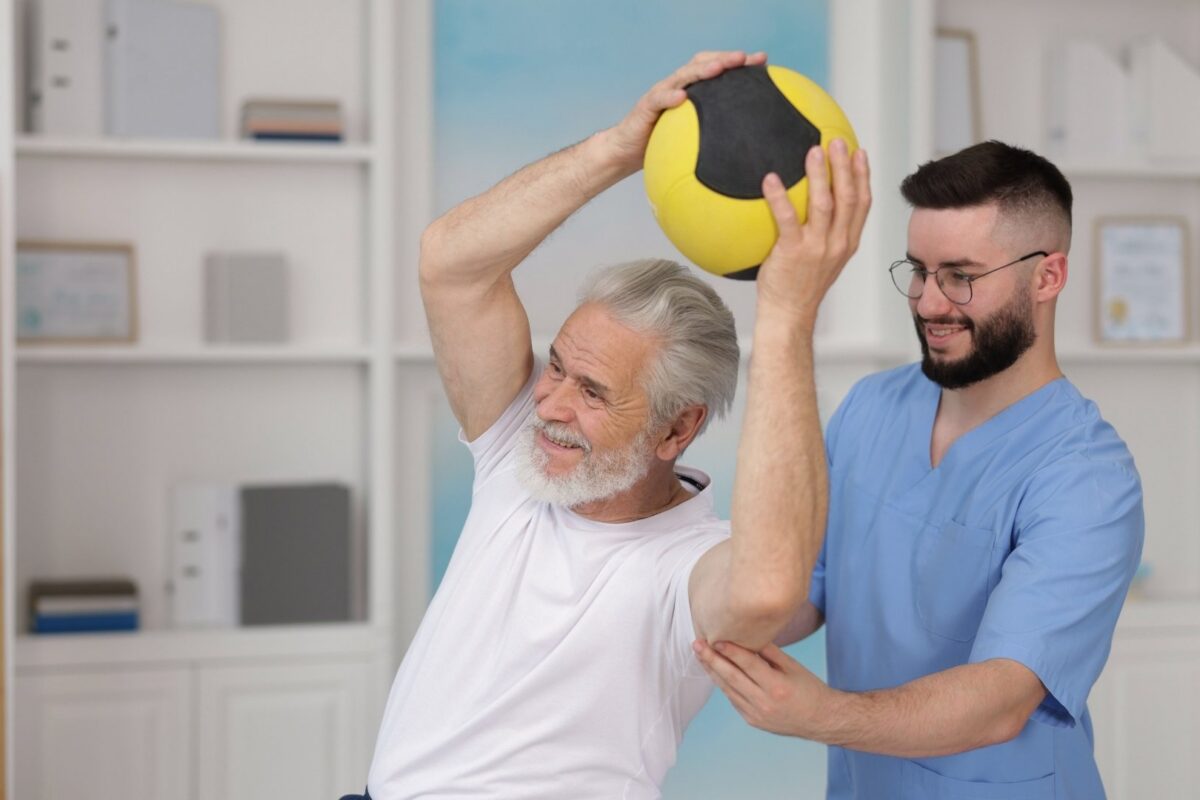
Physical rehabilitation after stroke focuses on rebuilding the specific skills affected by weakness, balance issues, and coordination difficulties. Therapists often begin with foundational movements, such as sitting up safely or shifting weight from one side to the other. These early skills build the foundation for more complex movement later.
As strength improves, rehabilitation may progress to standing, walking, and safely completing transfers, such as moving from a bed to a chair. Each of these skills plays an important role in daily independence. Therapists tailor this progression to each patient's abilities, adjusting the pace based on how the body responds.
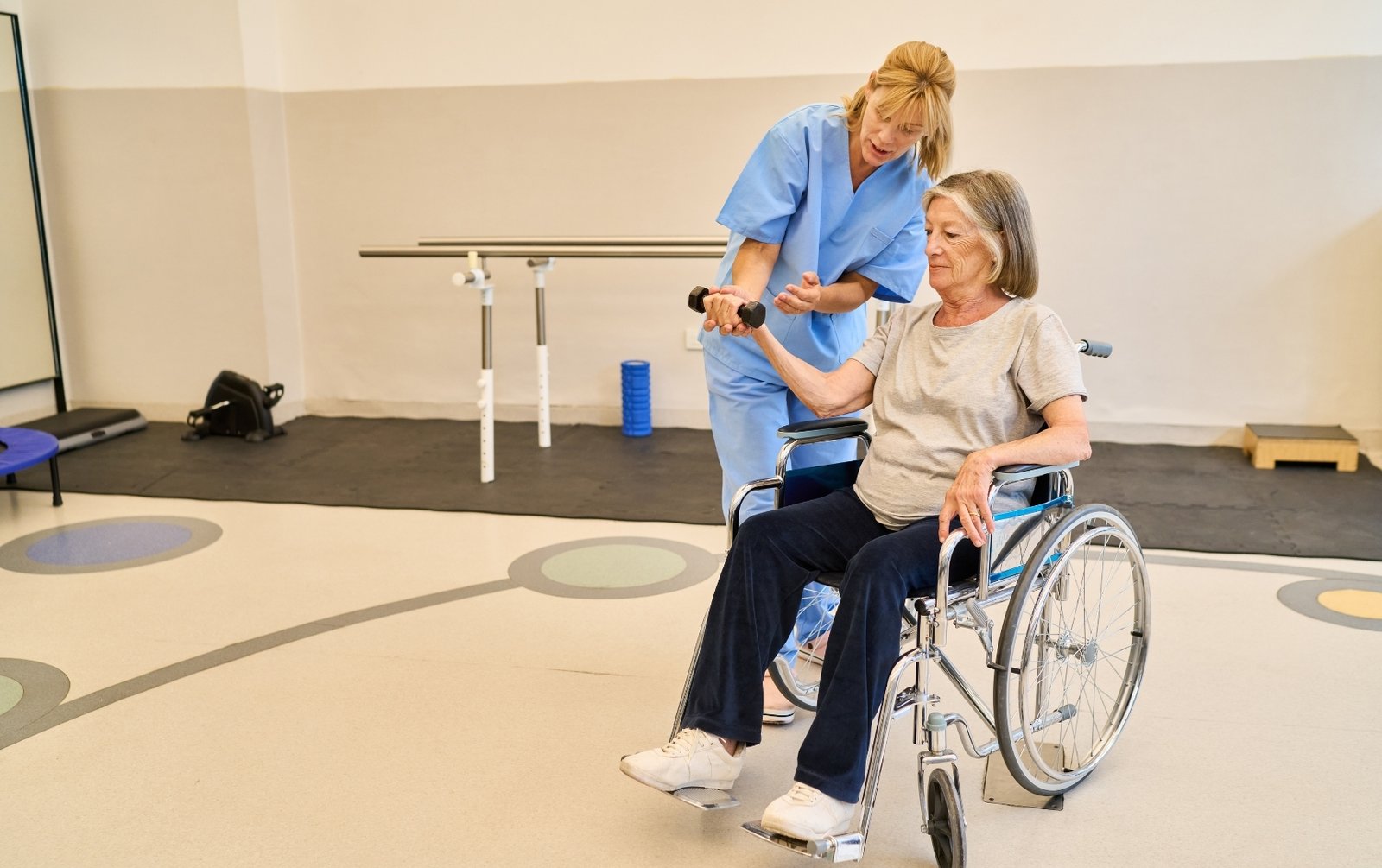
Balance training is often woven throughout this process. Improving balance helps reduce fall risk and supports confidence during everyday movement, both important goals during stroke recovery. Small gains in balance can make a big difference in day-to-day safety.
Practicing Functional Movements Safely and Consistently During Stroke Recovery
Functional movements are the everyday actions people rely on, like standing up, reaching for an object, or walking to another room. Practicing these movements safely and consistently plays a key role in rebuilding strength and coordination after a stroke. Focusing on real-life movements makes the practice feel more relevant.
Repetition helps the brain and body relearn these patterns over time. Consistency matters more than intensity during this process, since steady, safe practice tends to produce better results than occasional, high-effort attempts. Working with a therapist helps ensure safe practice, reducing the risk of falls or setbacks.
The Role of Assistive Devices in Mobility
For many patients, assistive devices play an important role in supporting mobility during recovery. Canes, walkers, and other mobility aids can provide extra stability while strength and balance continue to improve. These tools can help patients move around with greater confidence.
These devices are not a sign of setback. Instead, they often serve as a helpful tool that allows patients to move more safely while continuing to build strength. A physical therapist can help determine which device, if any, best supports a patient's current abilities and goals. Using the right device correctly can make daily movement feel much more secure.
Progress Can Happen Gradually and May Not Be Linear
Stroke recovery rarely follows a straight, predictable path. Some weeks may bring noticeable improvement, while others may feel slower or even include setbacks. This pattern is a normal part of recovery, not a sign that something has gone wrong.
Plateaus can happen even when a patient continues putting in consistent effort. These periods can feel discouraging, but they do not necessarily mean progress has stopped for good. Staying consistent with therapy, even during slower stretches, often supports continued improvement over time.
How Families Can Encourage Activity Without Overdoing It
Family members often want to help a loved one recover as quickly as possible. But encouraging too much activity, too soon, can increase the risk of fatigue or injury. Finding the right balance takes patience and close communication with the care team.
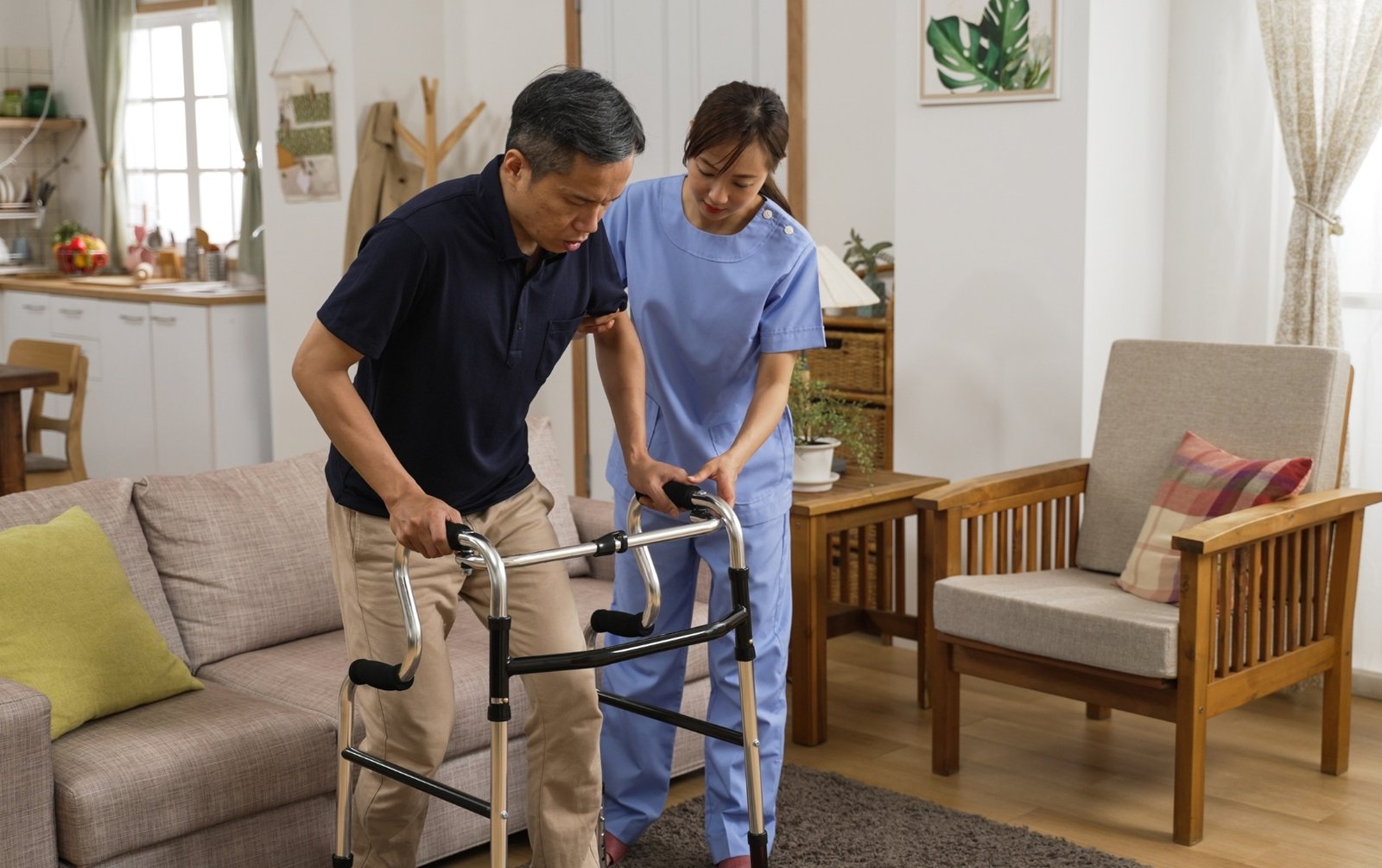
Following physical therapists' guidance helps ensure activity levels match what is safe and appropriate for the patient's current abilities. Encouraging the patient, celebrating small improvements, and providing a safe space to practice can support recovery without pushing too hard. Checking in with the patient about how an activity feels can also help families gauge the right level of support.
When to Contact the Healthcare Team
Report certain changes during recovery to the healthcare team rather than simply monitoring them at home. A sudden change in strength, balance, or coordination, especially if it happens quickly, deserves prompt attention. Never brush these changes off as normal fluctuations.
Share new or worsening symptoms, increased dizziness, or a fall during recovery with the care team. These details help providers decide whether the rehabilitation plan needs adjustments or whether additional evaluation is needed. Reporting changes promptly, rather than waiting to see if they resolve, supports safer and more effective recovery.
Rebuilding Strength With the Right Support During Stroke Recovery
Regaining strength and mobility after a stroke takes time, patience, and the right kind of support. Progress often comes through small, consistent steps rather than sudden leaps forward. At Augusta Health, our Stroke Center brings together a dedicated team focused on helping patients regain independence with support, understanding, and encouragement.
Our other stroke resources include outpatient therapy and home health support to help patients continue building strength at every stage of recovery. If you or a loved one is recovering from a stroke, our team is here to help. Call us at 540-255-0344 or visit our website to find an Augusta Health provider near you.