

Services Icon

Services Offered

    • Comprehensive menopause and perimenopause evaluations
    • Personalized treatment planning
    • Hormone Replacement Therapy (HRT) evaluation and management
    • Non-hormonal treatment options for symptom relief
    • Symptom management for hot flashes, sleep disruption, and mood changes
    • Lifestyle guidance including nutrition, exercise, and wellness support
    • Behavioral health and emotional well-being resources
    • Preventive health support focused on long-term wellness (bone, heart, overall health)
    • Educational resources and support programs related to menopause
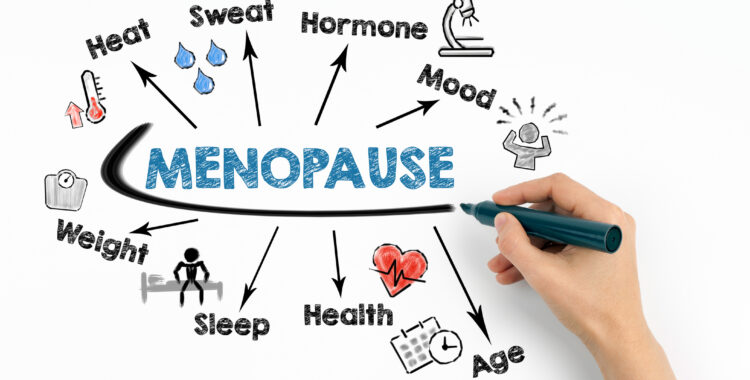
MENOPAUSE Concept. Chart with keywords and icons on white background
Symptom Management

Perimenopause and menopause can come with a broad range of symptoms—from dry eyes, hair, and skin to hot flashes, night sweats, and insomnia to mental issues such as brain fog, anxiety, and depression, and more. Hormone therapy is common, but many other treatment options are available based on specific symptoms. Diet and lifestyle changes, vitamins and supplements, cognitive and mindfulness therapies, and others can all help women manage symptoms.


Doctor checking the blood pressure on a woman in the examination room
Hormone Therapy

Hormone therapy replaces the estrogen and progesterone that are lost as women transition into menopause. It is most effective when started within 10 years after menopause begins or under age 60. There are two types of hormone therapy: systemic and low-dose.

Systemic therapy via pills, patches, sprays, gels, or a vaginal ring distributes hormones throughout your bloodstream to treat menopause symptoms. It includes some risks, such as blood clots and breast cancer. The risk of breast cancer usually doesn’t rise until after 5 to 7 years of treatment.

Low-dose therapy targets the vagina directly and is effective for both moisturizing and rebuilding tissue. Very little goes into the bloodstream, so the risks are far lower.

Mid adult woman at home
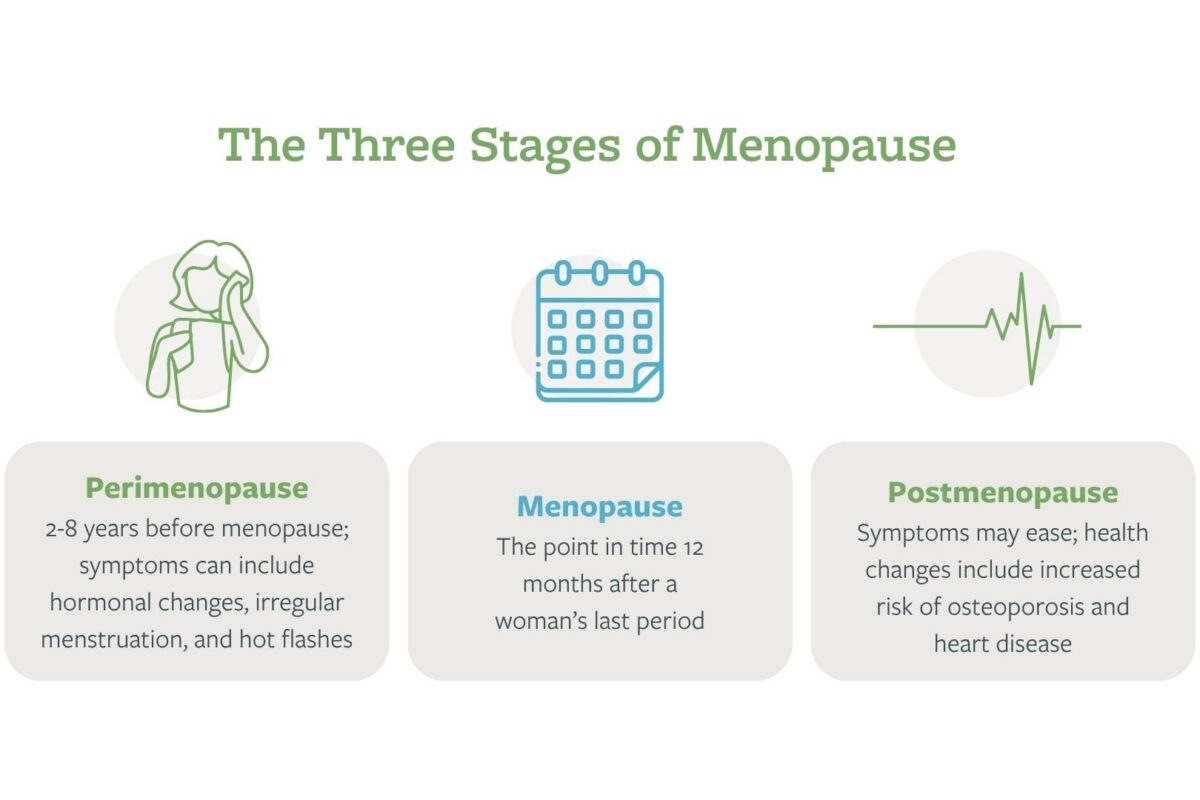
Perimenopause

Perimenopause is the time before menopause. You may notice changes in your period, both flow and frequency. “Vasomotor” symptoms—hot flashes and night sweats—are also common in up to 80% of women. Weight gain, migraines, brain fog, and depression are other symptoms caused by fluctuating hormones. Hormone therapy and non-hormone options are available to treat these symptoms.

Senior woman contemplating at home
Mental Health

Memory lapses, trouble concentrating, anxiety, shifting moods, and depression are common during perimenopause and menopause. Lifestyle changes can help, such as staying physically and mentally active, maintaining social ties, not smoking, following a Mediterranean diet, and limiting alcohol. So can taking steps to control or reduce chronic conditions such as high blood pressure, diabetes, and high cholesterol. Medications can also help, depending on your specific symptoms and conditions.