
Seven Health Screenings Adults Often Delay and Why They Matter

Date: August 13, 2026
Categories: Health Focused, Primary Care
Life gets busy, and it is easy to put routine appointments on hold. Yet health screenings are one of the most important ways to protect long-term health. Many serious conditions develop without clear symptoms, making preventive care an important part of staying well.
Regular screenings help find health concerns before they become more difficult to treat. They also give you and your healthcare provider a better understanding of your overall health. Whether you feel perfectly healthy or manage an ongoing condition, keeping up with recommended screenings can help you make informed decisions for the future.
Why Preventive Health Screenings Matter
Many people skip screenings because they feel fine or have demanding schedules. Others may worry about the results or believe they are too young to have certain health problems. While these feelings are common, delaying preventive care can allow health issues to go unnoticed.
Screenings are designed to find problems before symptoms appear. Early detection often means more treatment choices, simpler care, and better outcomes. Your healthcare provider can recommend the right screenings based on your age, family history, lifestyle, and personal risk factors.
Here are seven health screenings adults often delay, and why it is worth making time for them.
1) Blood Pressure Screening
High blood pressure is often called a silent condition because it rarely causes symptoms. Many people do not realize their blood pressure is too high until it leads to serious complications. Left untreated, high blood pressure can increase the risk of heart disease, stroke, and kidney disease.

A blood pressure check takes only a few minutes during a routine visit. Regular monitoring helps identify changes early, allowing your healthcare provider to recommend healthy lifestyle changes or treatment if needed.
2) Cholesterol Screening
High cholesterol usually develops without noticeable symptoms. Over time, excess cholesterol can build up in the arteries and reduce healthy blood flow. This increases the risk of heart attack and stroke.
A simple blood test measures cholesterol levels and helps your provider evaluate your heart health. If your numbers are higher than recommended, healthy eating, physical activity, and medication may help lower your risk.
3) Diabetes Screening
Many adults have prediabetes or Type two diabetes without knowing it. Blood sugar levels can remain high for years before symptoms become obvious. During that time, damage may occur to the heart, kidneys, eyes, and nerves.
Routine diabetes screening helps identify elevated blood sugar early. Finding prediabetes also creates an opportunity to make lifestyle changes that may delay or prevent the development of Type diabetes.
4) Colorectal Cancer Screening
Many adults delay colorectal cancer screening because they expect it to be uncomfortable or unnecessary. However, screening can find precancerous growths before they become cancer. It can also detect colorectal cancer during earlier stages when treatment is often more successful.
Several screening options are available today. Your healthcare provider can discuss which method is most appropriate based on your age, health history, and personal preferences.
5) Breast Cancer Screening
Regular mammograms remain one of the best tools for finding breast cancer early. Many breast cancers do not cause pain or noticeable changes during the earliest stages. Screening can detect abnormalities before symptoms develop.
Women should discuss when to begin mammograms with their healthcare provider. Personal and family history may affect the recommended screening schedule.
6) Cervical Cancer Screening
Cervical cancer screening helps detect abnormal cell changes before cancer develops. Routine Pap tests and, when appropriate, HPV testing play an important role in protecting long-term health. These screenings have helped reduce cervical cancer rates through early detection.
Many women postpone these appointments because they feel uncomfortable or have busy schedules. Staying current with recommended screenings your provider to identify concerns before they become more serious.
7) Skin Cancer Screening
Skin cancer is one of the most common cancers in the U.S. Many people ignore new or changing moles because they do not seem painful or concerning. However, even small changes can deserve medical attention.
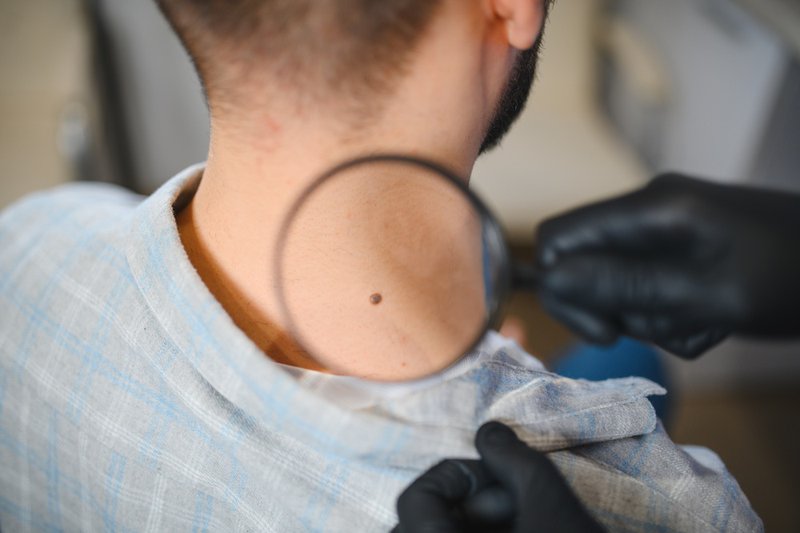
Checking your skin regularly at home is helpful, but professional skin exams can identify changes that are easy to overlook. Your healthcare provider can recommend additional evaluation if a suspicious area is found.
How to Stay on Track With Preventive Health Screenings
Keeping up with recommended screenings does not have to feel overwhelming. Scheduling an annual wellness visit gives you an opportunity to review which screenings are appropriate for your age and health history. Your provider can also answer questions and explain why each screening matters.
It also helps to keep a personal record of completed screenings and future appointments. Setting reminders on your phone or calendar makes it easier to stay consistent. Small steps today can help protect your health for years to come.
Talk With Your Healthcare Provider About Your Health Screenings
There is no single screening schedule that fits everyone. Age, family history, medical conditions, and lifestyle all influence which screenings are right for you. Having regular conversations with your healthcare provider helps ensure your care stays personalized and up to date.
At Augusta Health, we believe preventive care is one of the best investments you can make in your future. Our compassionate team is here to help you understand your screening options and support your health every step of the way. Call us at 1-833-AHC-HLTH or visit our website to find a provider near you.