
Bone Health in Women: What to Know After Age 40
Date: September 24, 2026
Categories: Women's Health
Bone health is easy to overlook when your bones feel strong. But taking care of your bones now can help protect your strength, mobility, and independence as you age. For women, bone health becomes increasingly important in midlife and as menopause approaches.
Your bones are constantly changing as your body breaks down old bone and builds new bone. Bone mass generally peaks by your late 20s to early 30s. As you get older, bone loss can begin to outpace the amount of new bone your body builds, and hormonal changes around menopause can speed up this process.
Understanding how bone health changes with age can help you take steps now to protect your bones for the future. Here are practical ways to support strong, healthy bones throughout midlife and beyond.
Why Bone Health Changes After 40
Estrogen plays an important role in keeping bones strong. As women move through perimenopause and menopause, estrogen levels decline. This change can speed up bone loss and make it more important to pay attention to bone health during midlife.
Bone loss can happen more quickly during and after the menopause transition. Over time, this can increase the risk of osteopenia, or lower-than-normal bone density, and osteoporosis, a condition that weakens bones and makes them more likely to break. Taking steps to protect your bones now can lower your fracture risk and support your strength and mobility as you age.
The Risk Factors
Several factors can affect your bone health beyond age and hormone changes. Your risk may be higher if you have a family history of osteoporosis or fractures, a smaller body frame, or certain health conditions. Some medications can also affect bone health over time.

Lifestyle factors can play a role, too. Not getting enough calcium or vitamin D, being physically inactive, smoking, and heavy alcohol use can all affect bone health. Understanding your personal risk factors can help you and your healthcare provider decide what steps you can take to protect your bones.
Practical Tips to Improve Bone Health
The good news is that you can take steps to support strong, healthy bones as you age. Small, consistent habits can make a difference over time and help protect your strength and mobility. Here are practical ways to support your bone health during midlife and beyond.
1) Choose Calcium-Rich Foods
Calcium is an important nutrient for building and maintaining strong bones. Good sources include dairy products, leafy green vegetables, and calcium-fortified foods. Your calcium needs can vary by age and other health factors. Whenever possible, aim to get calcium through a balanced diet. If you are concerned that you are not getting enough, talk with your healthcare provider before starting a supplement. They can help you understand how much calcium you need and whether a supplement is appropriate for you.
2) Get Enough Vitamin D
Vitamin D helps your body absorb calcium and plays an important role in bone health. Your body can make vitamin D through sun exposure, and you can also get it from foods such as fatty fish and vitamin D-fortified foods. Your vitamin D needs can vary based on your health and other factors. If you are concerned about your vitamin D level, talk with your healthcare provider. They can determine whether testing or a supplement may be appropriate for you.
3) Make Weight-Bearing and Strength Exercise Part of Your Routine
Regular physical activity can help support strong bones and muscles. Weight-bearing activities, such as walking, dancing, hiking, and climbing stairs, support bone health. Strength training is also important because stronger muscles can support your bones, balance, and overall mobility. Options include lifting weights, using resistance bands, or doing body-weight exercises.
You do not need an intense workout to benefit—find activities you enjoy and can do consistently. If you are new to exercise or have health concerns, talk with your healthcare provider about safe, appropriate activities for you.
4) Limit Alcohol and Avoid Smoking
Heavy alcohol use can affect bone health and may increase your risk of falls and fractures. Limiting alcohol can support your bones and overall health. Smoking is also linked with weaker bones and a higher risk of fractures. If you smoke and are ready to quit, you do not have to do it alone. Your healthcare provider can connect you with resources and support to help you quit.
5) Talk to Your Provider About Bone Density Screening
A bone density scan, also called a DXA or DEXA scan, measures bone mineral density and can help identify osteoporosis before a fracture occurs. Routine screening is generally recommended for women starting at age 65, but some women may benefit from earlier screening based on their individual risk factors.
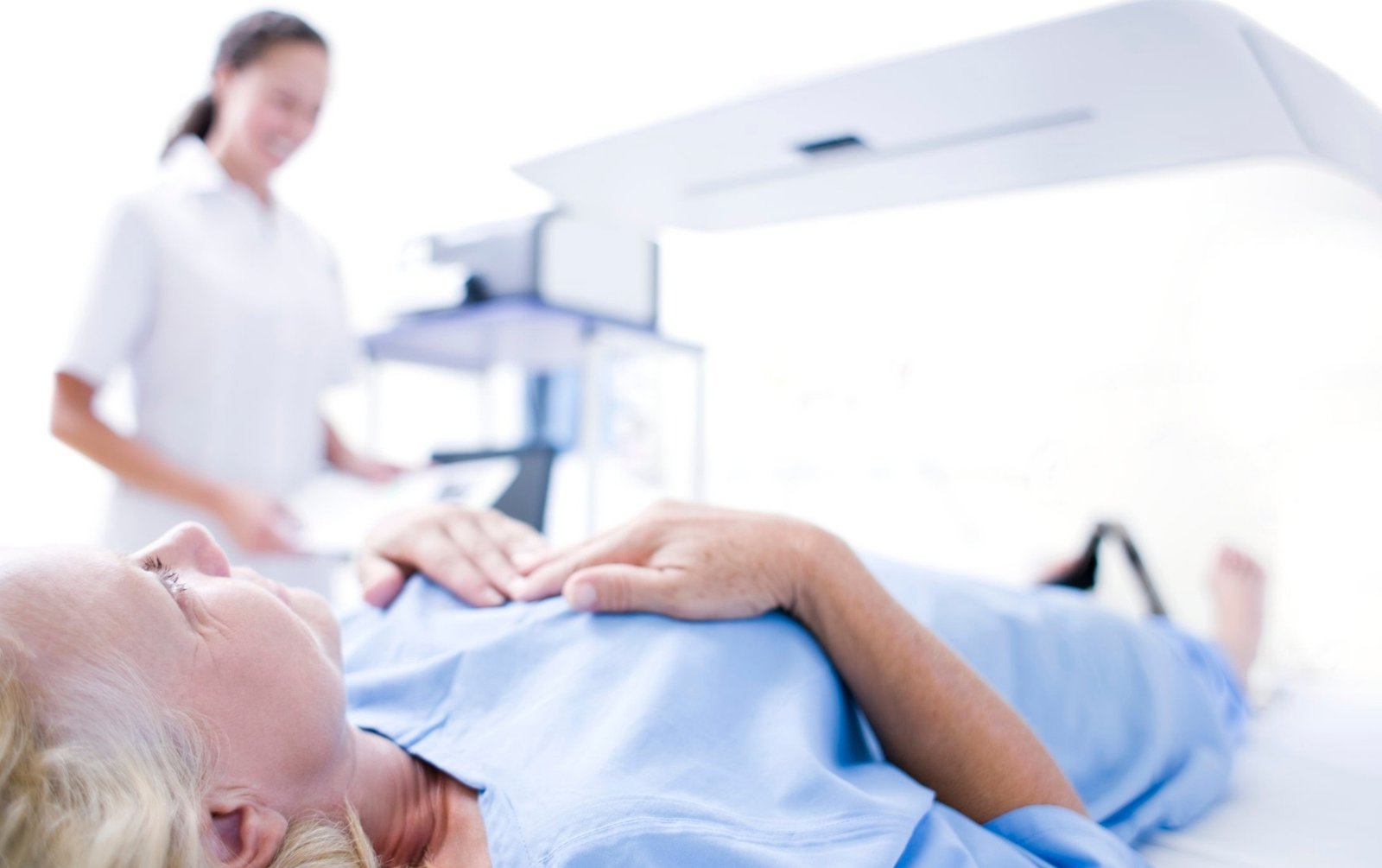
Talk with your healthcare provider about whether earlier screening may be appropriate if you have risk factors for osteoporosis or fracture. Understanding your bone density can help you and your provider decide whether you need lifestyle changes, closer monitoring, or treatment. Taking a proactive approach to bone health can help protect your strength, mobility, and independence as you age.
6) Prevent Falls at Home
Preventing falls is an important part of preventing fractures, especially as you get older. Simple changes at home can make your surroundings safer. Keep walkways clear, secure loose rugs, improve lighting, and consider grab bars or other safety features when needed. Building strength and balance can also help reduce your risk of falling. Activities such as tai chi, yoga, and other balance exercises may help improve stability. Talk with your healthcare provider if you have concerns about your balance, mobility, or fall risk.
Small steps add up. Eating a balanced diet with enough calcium and vitamin D, staying active, avoiding tobacco, limiting alcohol, knowing your risk factors, and getting appropriate screening can all help protect your bones for the future.
Supporting Bone Health at Augusta Health
Protecting your bone health is an important part of staying strong and active as you age. At Augusta Health, our Center for Women's Health provides personalized, compassionate care for women throughout every stage of life. Our providers can help you understand your risk factors and take proactive steps to protect your bone health.
Your annual women's health visit is a good opportunity to talk about bone health, including nutrition, physical activity, menopause, medications, family history, and whether bone density screening may be right for you. As your health needs change, your provider can help you understand what steps or screening may be appropriate.
You don't have to wait until a fracture or bone health problem occurs to start the conversation. If you have questions about your bone health or would like to schedule an appointment with Augusta Health OB/GYN, call 540-236-3167 for the Harrisonburg location or 540-255-0227 for Fishersville or Lexington. You can also visit our website to find an Augusta Health provider near you.