
What to Do If Someone Is Having a Stroke

Date: September 8, 2026
Categories: Health Focused
Watching someone experience a stroke can feel frightening and overwhelming. Knowing what to do if someone is having a stroke can help you stay calm and act quickly. The right actions in those first few minutes can genuinely improve their outcome.
Stroke treatment works best when it starts as early as possible. This makes your response in those first moments incredibly important. Here is a clear, step-by-step guide for what to do if someone is having a stroke.
Step One: Call 911 Immediately
The very first thing to do if someone is having a stroke is call 911. Do not wait to see if symptoms improve on their own, and do not attempt to drive the person to the hospital yourself. Emergency responders can begin treatment on the way, which saves valuable time. When you call, tell the dispatcher you suspect a stroke and describe the symptoms you are seeing.
Step Two: Note the Time Symptoms Started
Knowing exactly when symptoms began is one of the most important pieces of information you can provide. Certain stroke treatments are only effective within a specific window of time after symptoms start. If you did not see the symptoms begin, try to recall the last time the person seemed normal.

Write this time down or share it with someone else nearby, so it is not forgotten in the chaos of the moment. This detail can directly influence which treatment options are available at the hospital. Every minute of clarity here can make a real difference.
Step Three: Keep the Person Calm and Safe
While waiting for help to arrive, try to keep the person as calm and comfortable as possible. Help them sit or lie down in a safe position, ideally on their side if they seem drowsy or nauseous. This position can help prevent choking if they vomit.
Speak to them in a calm, reassuring voice, even if they seem confused or unable to respond clearly. Loosen any tight clothing, such as a collar or belt, to help them stay comfortable. Your calm presence can help ease their fear during a frightening moment.
Step Four: Do Not Give Food, Water, or Medication
It might feel natural to offer water or medication, but this can actually be dangerous during a stroke. A stroke can affect the muscles used for swallowing, which increases the risk of choking. Avoid giving the person anything to eat or drink until medical help arrives.
The same goes for medication, including aspirin, which is sometimes recommended for other emergencies. Stroke can be caused by a blockage or by bleeding in the brain, and aspirin is not safe for every type of stroke. Let medical professionals determine the right treatment once they arrive.
Step Five: Monitor Their Breathing and Responsiveness
While waiting for emergency responders, keep a close eye on the person's breathing and level of responsiveness. If they become unresponsive, check to see if they are still breathing normally. Be ready to provide basic first aid if their condition changes.
If the person stops breathing or you cannot detect a pulse, be prepared to begin CPR if you are trained to do so. Stay on the phone with the 911 dispatcher, since they can walk you through these steps if needed. Do not leave the person alone unless absolutely necessary.
Step Six: Gather Helpful Information for Paramedics
If possible, gather information that can help paramedics and hospital staff once they arrive. This includes any medications the person takes, known allergies, and existing health conditions. If a family member or caregiver is present, they may already have this information ready.
Try to recall any recent falls, injuries, or unusual symptoms the person experienced before the stroke began. This information can help the medical team understand the full picture more quickly. Every detail can support faster, more accurate treatment decisions.
Step Seven: Stay With Them Until Help Arrives
Try to remain with the person until emergency responders arrive on the scene. If you must leave briefly, make sure someone else stays close by to monitor their condition. Having someone present can offer comfort and provide updates to arriving paramedics.
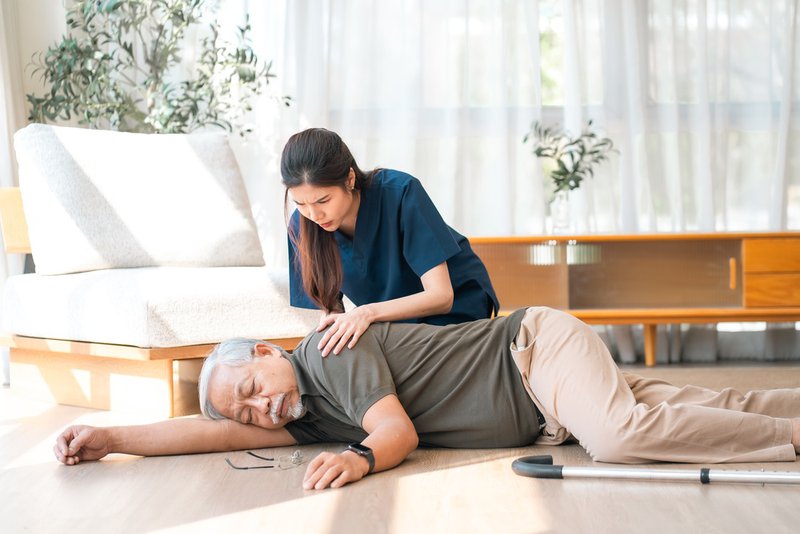
Once emergency responders arrive, share everything you know, including the time symptoms started and any changes you observed. This information becomes part of their care plan moving forward. Your quick thinking and clear communication can genuinely support their recovery.
After the Emergency: Supporting Recovery
Once medical professionals take over, your role shifts to offering support. Recovery from a stroke can take time, and emotional support matters just as much as medical treatment. Family and friends often play a meaningful role in a patient's rehabilitation.
Do not blame yourself if you feel unsure about your actions in the moment. Acting quickly and calling for help are the most important steps, and they can make a real difference. Every action taken to seek help matters, even if it does not feel like enough at the time.
Emergency Care at Augusta Health
At Augusta Health, our emergency teams are trained to respond quickly to stroke and other time-sensitive conditions. We are proud to support communities throughout the Shenandoah Valley with fast, coordinated emergency care. Every second matters, and our teams are ready around the clock.
If you or someone near you shows signs of a stroke, call 911 immediately. Being prepared now can help you respond with confidence if this moment ever happens. For more information about our emergency services, call 540-255-0344 or visit our website today.