
What to Expect When Recovering at Home After Surgery

Date: September 21, 2026
Categories: Health Focused
Going home after surgery can feel exciting, but it can also bring new questions. Recovering at home after surgery gives your body time to heal in a familiar setting. Knowing what to expect can help you feel prepared, comfortable, and confident during recovery.
Every surgery and every person is different. Your recovery may depend on the procedure, your overall health, and your support system. Your surgical team will provide instructions based on your specific needs and recovery goals.
Your First Days Recovering at Home After Surgery
The first few days may feel different from your normal routine. You may feel tired, move more slowly, or need extra help with everyday tasks. These changes are common while your body uses energy to heal.
Follow your discharge instructions carefully during this time. They may include guidance about medications, wound care, activity, diet, and follow-up appointments. Keep these instructions somewhere easy to find so you can review them when needed.
Rest is also an important part of early recovery. However, resting does not always mean staying in bed all day. Your care team can explain which movements and activities are safe for you.
Managing Pain and Discomfort
Some pain or discomfort is expected after many types of surgery. Your healthcare team should explain which medications to take and when. Follow those instructions carefully, and never take more medication than recommended.
Tell your healthcare provider if your pain is not improving as expected. Sudden worsening pain can be a warning sign. Also ask before adding over-the-counter medications or supplements to your routine.

Using pillows or changing positions may help you stay comfortable. Your provider may also recommend ice, heat, or other strategies for certain procedures. Follow the specific instructions you received rather than assuming one approach works for every surgery.
Getting Around Safely
Movement may feel harder after surgery. You might need extra time to get out of bed, climb stairs, or walk through your home. Planning ahead can make these activities safer.
Keep frequently used items within easy reach. Remove loose rugs, clutter, and other obstacles from walking areas. If your provider recommends a cane, walker, or another device, use it as instructed.
Your activity restrictions will depend on the procedure you had. Some patients can begin gentle movement soon after surgery, while others need longer restrictions. Follow your surgical team's instructions before increasing activity or returning to exercise.
Eating and Staying Hydrated
Your appetite may change during recovery. Some people experience nausea, constipation, or other digestive changes after surgery. Certain medications can also affect your appetite or digestion.
Follow any dietary instructions your healthcare team provides. Choose foods that fit your recovery plan, and drink fluids as recommended. If you have trouble keeping food or fluids down, contact your healthcare provider.
Good nutrition provides your body with energy and nutrients needed for healing. If you have specific dietary needs, ask your healthcare team for guidance. A registered dietitian may also help certain patients.
Taking Care of Your Surgical Site
Your surgical team will explain how to care for your incision or wound. Follow those instructions closely, including directions about bathing, changing dressings, and keeping the area clean.
Check the surgical site as directed. Some redness, swelling, or discomfort may be expected after certain procedures. However, report increasing redness, swelling, drainage, or worsening pain to your healthcare team.
Do not apply creams, ointments, or other products unless your provider recommends them. Your incision may need specific care while it heals. When in doubt, ask before changing your wound care routine.
Accepting Help While Recovering at Home After Surgery
You may be used to handling everything yourself, but surgery can temporarily change that. Tasks such as grocery shopping, driving, laundry, or preparing meals may become difficult. Accepting help can free up time and energy to focus on healing.
A family member, friend, or caregiver may also help with medications and appointments. Before surgery, think about which tasks may be challenging afterward. Making a simple plan can reduce stress once you return home.
Caregivers should also know the patient's discharge instructions. Understanding medication schedules, activity limits, and warning signs can help everyone feel more prepared. If caregivers have questions, they should ask the healthcare team.
Keeping Follow-Up Appointments
Follow-up appointments are an important part of surgical recovery. Your provider can check your progress and determine whether your recovery is moving as expected. These visits also give you a chance to ask questions about returning to normal activities.
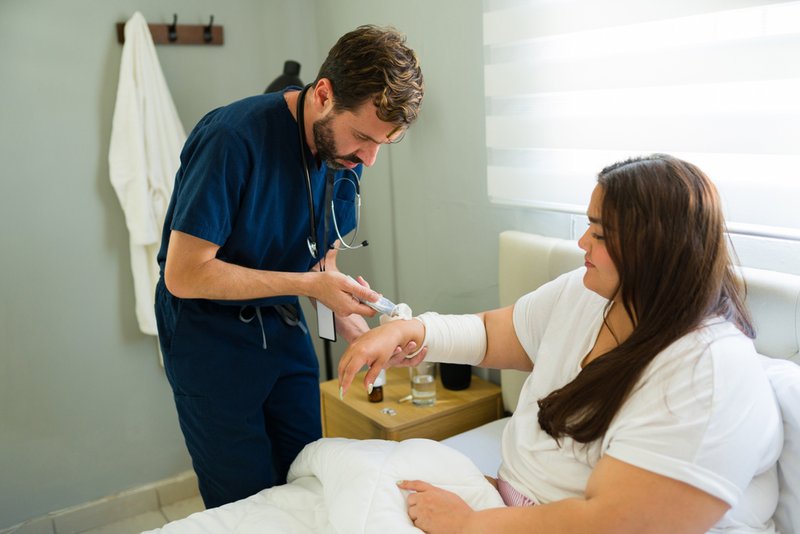
Your recovery plan may change as you heal. Your provider may adjust medications, activity recommendations, wound care, or therapy needs. Keeping appointments helps ensure those changes happen at the right time.
Write down questions as they come to you. It can be difficult to remember everything during an appointment. Bringing a short list can help you make the most of your time with your healthcare team.
When to Call Your Healthcare Team
Knowing what is normal after surgery can be difficult. Contact your healthcare provider if something feels different from your instructions or expected recovery. It is better to ask a question than ignore a concern.
Call your healthcare team about symptoms such as worsening pain, increasing redness, unusual drainage, persistent vomiting, or a fever. Your provider can tell you whether you need an appointment or a different type of care. Don't wait if symptoms worsen.
Some symptoms require emergency care. Severe chest pain, significant trouble breathing, sudden confusion, or loss of consciousness can be medical emergencies. Call 911 if you experience these or other severe, unexpected symptoms.
Find the Support You Need While Recovering at Home After Surgery
Recovering at home after surgery can be more manageable when you understand your care plan and have the right support. Rest, safe movement, proper nutrition, follow-up care, and attention to warning signs all play important roles. Most importantly, stay connected with your healthcare team throughout recovery.
At Augusta Health, our continuing care services provide several options for patients who need additional support after surgery. Services include home health, inpatient rehabilitation, therapy services, skilled nursing, and other post-acute care options. These services can help patients choose care that fits their needs, goals, and stage of recovery.
Talk with your healthcare team before leaving the hospital about what you may need at home. If you have questions about your healthcare options, call us at 540-324-8021 or visit our website to find an Augusta Health provider near you.