
When Do You Need a Colonoscopy?
Date: September 15, 2026
Categories: Health Focused, Primary Care
For many adults at average risk, colorectal cancer screening begins at age 45. Your screening needs may be different based on your personal and family health history. Talking with your healthcare provider can help you understand your risk and decide when and how you should be screened.
A colonoscopy can help find colorectal cancer before symptoms appear. It can also find and remove certain polyps that may become cancerous over time.
What Is a Colonoscopy?
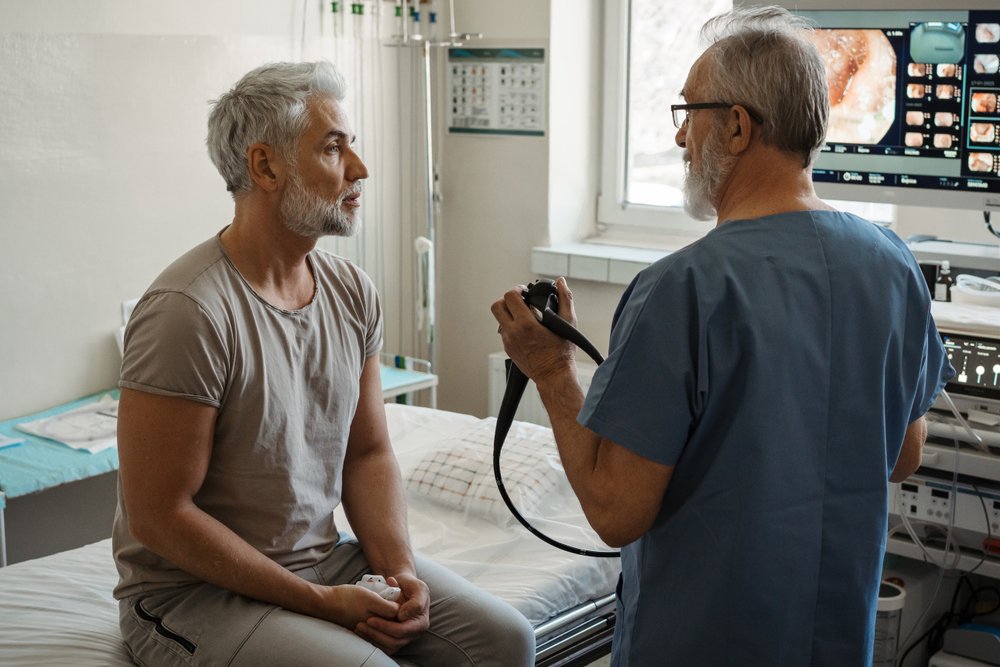
A colonoscopy examines the inside of your colon and rectum. A healthcare professional uses a thin, flexible tube with a small camera to look for changes or concerns. During the procedure, the doctor can also remove certain polyps or collect small tissue samples for testing.
A colonoscopy can be used for both screening and diagnosis. Screening looks for signs of colorectal cancer or certain polyps in people who do not have symptoms. A diagnostic colonoscopy may be used to better understand symptoms or follow up on an abnormal result from another screening test.
When Should Average-Risk Adults Start Screening?
For adults at average risk, colorectal cancer screening generally begins at age 45. Regular screening is recommended through age 75. Adults ages 76 through 85 should talk with their healthcare provider about whether continued screening is right for them.

Colonoscopy is one screening option, but it is not the only one. Other options include stool-based tests and other recommended screening tests. If a screening test comes back abnormal, you may need a follow-up colonoscopy.
Your healthcare provider can help you choose a screening option based on your health, preferences, and risk factors. The most important step is getting screened. Regular screening can help find colorectal cancer earlier, and some screening methods can also find or help prevent cancer by identifying certain precancerous polyps before they have a chance to become cancerous.
You May Need Screening Earlier
Age is only one part of colorectal cancer screening. Some people have a higher risk because of their personal or family health history. If you have certain risk factors, you may need to start screening earlier or be screened more often.
Talk with your healthcare provider if a parent, sibling, or child has had colorectal cancer or certain types of polyps. A personal history of colorectal cancer or polyps can also affect your screening plan. Conditions such as Crohn's Disease or ulcerative colitis may also increase your risk.
Other factors, including smoking, heavy alcohol use, physical inactivity, and excess weight, may also increase your risk of colorectal cancer. Your healthcare provider can look at your overall health and risk factors and help you understand when to start screening and how often you may need it.
Symptoms May Mean You Need an Evaluation
Do not wait until your next routine screening if you notice new or concerning symptoms. Colorectal cancer and other digestive conditions can change your bowel habits. However, these symptoms can have many causes and do not necessarily mean you have cancer.
Talk with your healthcare provider if you notice rectal bleeding, blood in your stool, or changes in your bowel movements that do not go away. Also discuss ongoing abdominal pain, unusual tiredness or weakness, or unexplained weight loss.
Some people with colorectal cancer or certain polyps have no symptoms at all. That is why routine screening is so important. Screening can find changes early, before you notice symptoms, when there may be more options for care.
Why Finding Polyps Matters
Polyps are growths that can develop along the lining of the colon. Some types of polyps can become cancerous over time. Finding and removing certain polyps during a colonoscopy can help lower your risk of colorectal cancer. Colonoscopies allow your healthcare provider to examine the entire colon and, when appropriate, remove certain polyps during the same procedure.
Finding a polyp does not mean you have cancer. Your healthcare provider can explain what was found and whether you need additional follow-up. Your future screening schedule may also depend on the type, size, and number of polyps found.
What Happens During a Colonoscopy?
Preparing for a colonoscopy begins before you arrive for the procedure. Your healthcare team will give you instructions for cleaning out your colon before the exam. Following these instructions carefully helps your provider see your colon clearly.

During the procedure, you will usually receive medication to help you relax and stay comfortable. Your healthcare provider will use a thin, flexible tube with a small camera to examine your colon. If needed, your provider may remove certain polyps or take small tissue samples for testing.
After the procedure, you will spend some time recovering from the medication. Your healthcare team will explain what to expect, when you can return to normal activities, and any follow-up care you may need. They will also discuss your results and next steps.
Don't Let Screening Fall Off Your List
It can be easy to postpone colorectal cancer screening when you feel healthy. However, feeling well does not mean you can skip recommended preventive care. Screening can find changes before symptoms develop, giving you the opportunity to address them early.
If you are 45 or older, talk with your healthcare provider about colorectal cancer screening. You may need to start earlier or be screened more often if you have certain risk factors. Your provider can help you choose a screening option and schedule based on your individual needs.
Get Colorectal Screening Close to Home
Knowing when you need colorectal cancer screening starts with understanding your age, health history, symptoms, and personal risk factors. Augusta Health offers endoscopy services and colonoscopy screening, with dedicated spaces for procedures and recovery. Our care teams can help you understand your screening needs and support you through evaluation, screening, and follow-up care.
Talk with your primary care provider about when colorectal cancer screening is right for you and which screening option best fits your needs. If you do not have a primary care provider, Augusta Health can help you find one. Call 540-324-3982 or visit our website to find an Augusta Health provider near you.