
What Causes Bloating in Women
Date: October 9, 2026
Categories: Health Focused, Women's Health
Bloating is common and can leave your abdomen feeling full, tight, or uncomfortable. It may happen occasionally after eating or follow a pattern around your menstrual cycle. For some women, however, bloating happens more often or comes with other symptoms.
Many possible causes include gas, constipation, certain foods, digestive conditions, and hormonal changes. Paying attention to when bloating happens and what other symptoms you notice can help you better understand your body's patterns.
Most occasional bloating is not a cause for concern. But if bloating is persistent, getting worse, or feels different from what is normal for you, it is worth discussing with a healthcare provider. Here are some common causes of bloating, ways to ease discomfort, and signs that it may be time to seek care.
What Causes Bloating in Women?
Bloating can have many possible causes, and more than one factor may be involved. Paying attention to when your symptoms happen—such as after certain meals, during your menstrual cycle, or when you are constipated—can help you recognize patterns and give your healthcare provider useful information if symptoms continue.
1) Hormonal Changes
Some women notice bloating before or during their period. Changes in hormone levels throughout the menstrual cycle can affect fluid retention and digestion, which may leave you feeling more bloated or uncomfortable. If bloating follows a predictable pattern and improves after your period, hormonal changes may be contributing. New, severe, or persistent bloating should still be discussed with your healthcare provider.
2) Digestive Conditions
Gas, constipation, and certain digestive conditions can all contribute to bloating. Conditions such as irritable bowel syndrome (IBS) may cause bloating along with changes in bowel habits, abdominal discomfort, or other digestive symptoms. If bloating happens frequently or comes with ongoing digestive symptoms, talk with your healthcare provider. They can help determine whether additional evaluation or a referral to a gastroenterologist is appropriate.
3) Certain Foods or Food Intolerances
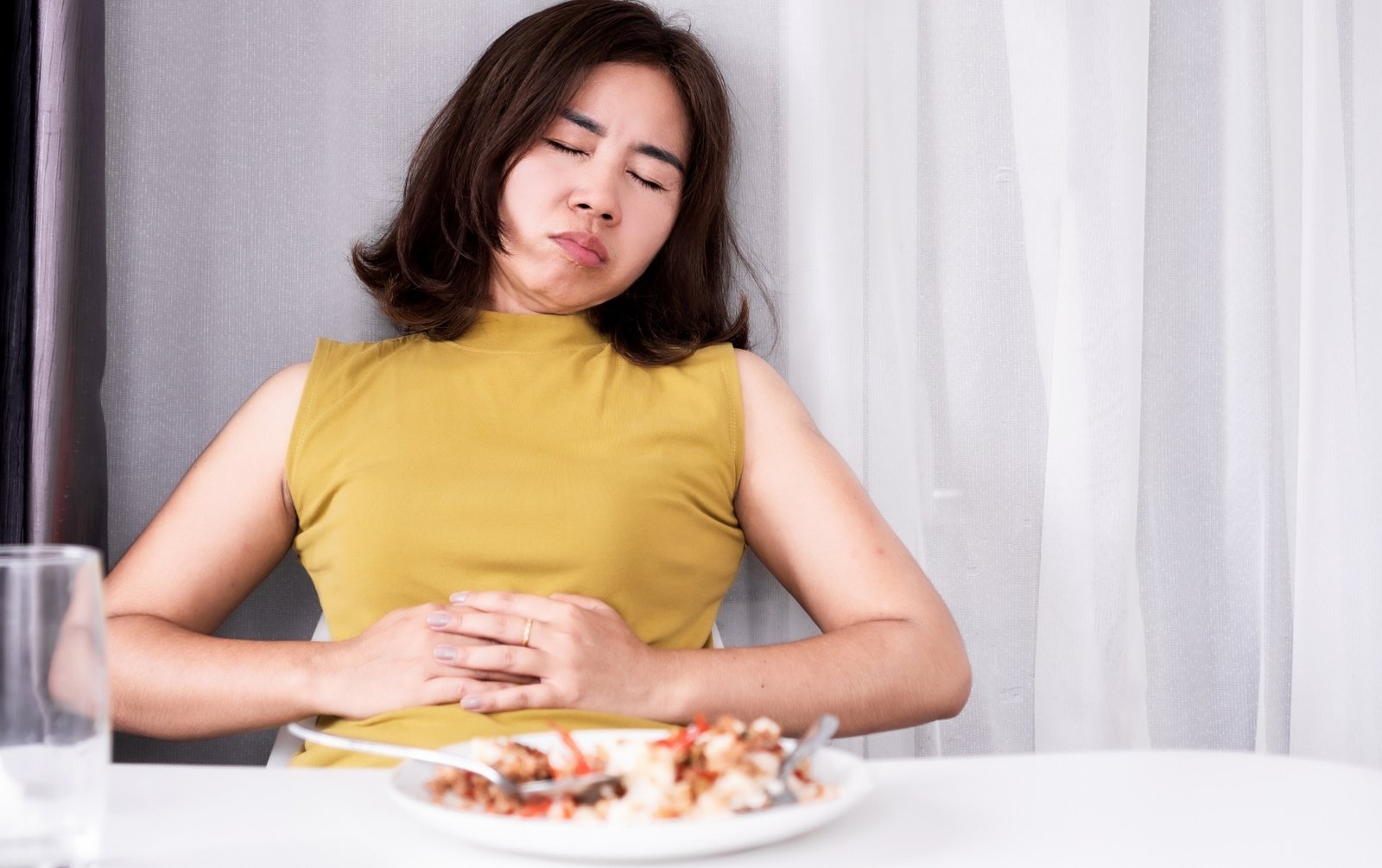
Some people notice more bloating after eating certain foods or larger meals. Foods that produce more gas during digestion may contribute to temporary bloating, while food intolerances can cause symptoms in some people. If you notice a consistent pattern, keeping a simple record of what you eat and when symptoms occur may be helpful. Avoid eliminating entire food groups without talking with a healthcare provider or registered dietitian, especially if symptoms continue.
4) Constipation
Constipation can cause stool and gas to build up in the digestive tract, leading to fullness, pressure, or bloating. Changes in diet, hydration, physical activity, medications, or routine can all affect bowel habits. If constipation is frequent, severe, or a new change for you, talk with your healthcare provider rather than relying only on home remedies.
5) Gynecologic Conditions Conditions
Sometimes bloating can be related to a gynecologic condition. Uterine fibroids, ovarian cysts, endometriosis, and other conditions may cause abdominal or pelvic fullness along with symptoms such as pelvic pain, pressure, changes in periods, or discomfort. Bloating alone does not mean you have one of these conditions. However, bloating that is persistent, worsening, or accompanied by other new symptoms is worth discussing with a healthcare provider.
6) Stress
Stress can affect the connection between your brain and digestive system and may make digestive symptoms more noticeable for some people. Stress may also affect eating patterns, sleep, and other habits that influence digestion. Finding healthy ways to manage stress may help if you notice your digestive symptoms become worse during stressful periods.
Bloating Across Different Life Stages
Hormonal and reproductive changes can influence bloating at different stages of life. Understanding your usual patterns can make it easier to recognize when something changes.
During the menstrual years, some women notice bloating before or during their period. Symptoms may follow a similar pattern from month to month, although menstrual symptoms can change over time.
During pregnancy, hormonal changes can affect digestion and contribute to bloating, especially early in pregnancy. As pregnancy progresses, changes in the body can also affect digestion and abdominal comfort.
During perimenopause and menopause, changes in hormone levels may affect digestion and contribute to changes in how your abdomen feels. However, new or persistent bloating should not automatically be assumed to be caused by menopause. Later in life, medications, constipation, digestive conditions, and other health changes may contribute to bloating. New, frequent, or worsening symptoms should be discussed with a healthcare provider.
Ways to Ease Occasional Bloating
If you are experiencing occasional bloating, a few simple changes may help ease discomfort. What works best can depend on the cause of your bloating.
- Try gentle movement. A short walk or other light activity may help support digestion and relieve discomfort from gas.
- Drink water throughout the day. Staying hydrated supports healthy digestion and may be especially helpful if constipation is contributing to bloating.
- Slow down while eating. Eating quickly can cause you to swallow more air, which may contribute to gas and bloating. Taking your time and chewing food thoroughly may help.
- Limit carbonated drinks if they bother you. Fizzy drinks can increase gas for some people. Pay attention to whether they seem to make your symptoms worse.
- Choose comfortable clothing. Loose-fitting clothing will not treat the cause of bloating, but it may help you feel more comfortable while symptoms improve.
If bloating happens often, focus on identifying the cause rather than repeatedly trying to manage the discomfort on your own.
When to See a Provider
Occasional bloating is common, but bloating that is persistent, getting worse, or different from what is normal for you is worth discussing with a healthcare provider. Make an appointment if bloating:
- Happens frequently or does not improve
- Is becoming more noticeable or uncomfortable
- Comes with ongoing constipation, diarrhea, or other changes in bowel habits
- Occurs with pelvic pain, pressure, or changes in your menstrual cycle Is accompanied by unexplained weight loss or loss of appetite
- Occurs with vaginal bleeding that is unusual for you, including any bleeding after menopause
Seek prompt medical attention for severe or sudden abdominal pain, repeated vomiting, significant abdominal swelling, blood in your stool, or other severe or rapidly worsening symptoms. You know what is normal for your body. If your bloating changes or something does not feel right, you do not have to wait for symptoms to become severe before talking with a healthcare provider.
Digestive and Women's Health Support at Augusta Health
Persistent bloating can have many possible causes, and you do not have to figure out the reason on your own. At Augusta Health, your healthcare provider can help evaluate your symptoms and determine what type of care may be appropriate.
Depending on your symptoms, care may include support from Augusta Health Gastroenterology for digestive concerns or the Augusta Health Center for Women’s Health for symptoms that may be related to hormonal or gynecologic conditions.
If bloating is persistent, getting worse, or different from what is normal for you, talk with a healthcare provider. Call 540-324-3982 or find an Augusta Health provider near you.