
How Physical Therapy After Stroke Helps Survivors Recover Independence
Date: November 4, 2026
Categories: Health Focused
Physical therapy after stroke plays a central role in helping survivors move safely and rebuild independence. For many families, understanding exactly what this therapy involves can feel unclear. Knowing what to expect can make the process feel less overwhelming and more like a clear path forward.
In this article, we take a closer look at what physical therapy actually does after a stroke. From the first evaluation to ongoing goal-setting, physical therapy focuses on helping each patient move through daily life more safely and confidently. Understanding this process can help families feel more prepared to support their loved one.
What a Physical Therapist Evaluates After Stroke
Before creating a treatment plan, a physical therapist evaluates the patient's current abilities. This includes assessing strength, balance, coordination, and range of motion throughout the body. The therapist also looks at how the patient moves during everyday actions, such as sitting, standing, and walking.
This evaluation helps identify specific challenges the stroke may have caused, along with the patient's remaining strengths. Having a clear understanding of both sides of this picture, including what is difficult and what still works well, helps the therapist build a plan suited to the individual. This first step lays the foundation for everything that follows in therapy.
Common Therapy Goals After Stroke
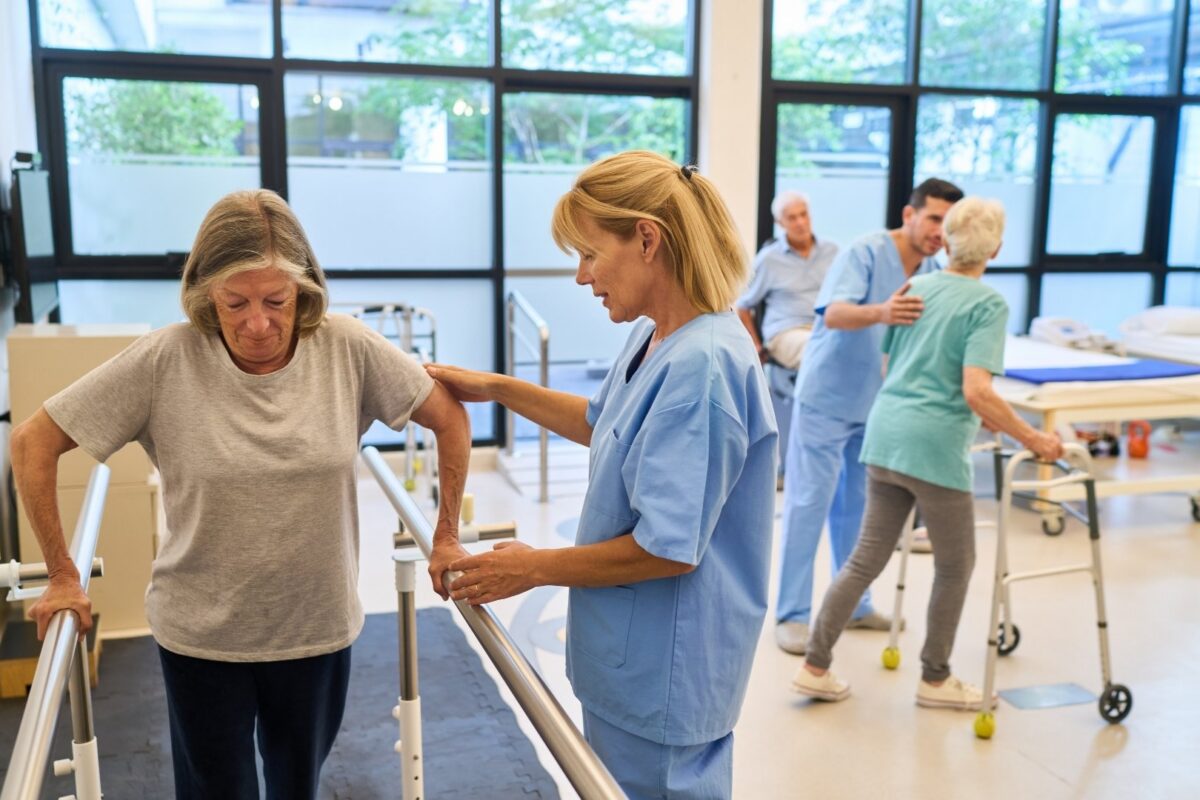
Physical therapy goals after stroke often focus on core movement skills. Walking safely, often called gait training, is one of the most common goals, along with improving balance to reduce fall risk. Many patients also work on transfers, such as moving from a bed to a chair or in and out of a car.

Building strength is another focus, particularly in muscles affected by weakness on one side of the body. Coordination exercises help patients regain smoother, more controlled movement patterns. These goals often overlap and build on each other as therapy progresses.
Focusing on Everyday Activities, Not Just Exercise
While physical therapy includes structured exercises, much of the work centers on real, everyday activities. Therapists often incorporate tasks like reaching for an object, navigating stairs, or moving safely around furniture into a session. This approach helps translate strength gains into practical, usable skills.
Practicing these functional tasks in a safe, supervised setting helps patients build confidence before attempting them independently at home. This focus on real-life movement makes therapy feel more relevant and directly connected to daily goals. It also helps therapists identify safety concerns that might not show up during isolated exercises alone.
Why Individualized Treatment Plans Matter
No two stroke recoveries look the same, which is why individualized treatment plans matter so much in physical therapy. A plan is built around each patient's specific challenges, prior activity level, and personal goals. What works well for one patient may not fit another.
Therapists also consider a patient's home environment and daily routine when building a plan. For example, someone returning to a two-story home may need a different focus than someone in a single-level space. This individualized approach helps ensure therapy translates into meaningful, real-world progress.
How Therapists Modify Exercises as Abilities Improve
Physical therapy is not a fixed program that stays the same from start to finish. As a patient's strength, balance, and coordination improve, therapists adjust exercises to continue challenging the body appropriately. This might mean progressing from seated exercises to standing ones, or from supported walking to walking with less assistance.
Regular reassessment helps therapists know when it’s to advance a goal or introduce a new challenge. This ongoing adjustment keeps therapy effective throughout recovery, rather than allowing progress to plateau. Patients often notice these changes as visible signs of their own improvement.
Building Independence While Reducing Safety Risks
Building independence while reducing safety risks is a central goal of physical therapy after stroke. Therapists teach safe movement techniques that patients can use even after formal therapy ends. With enough practice, these techniques often become second nature.
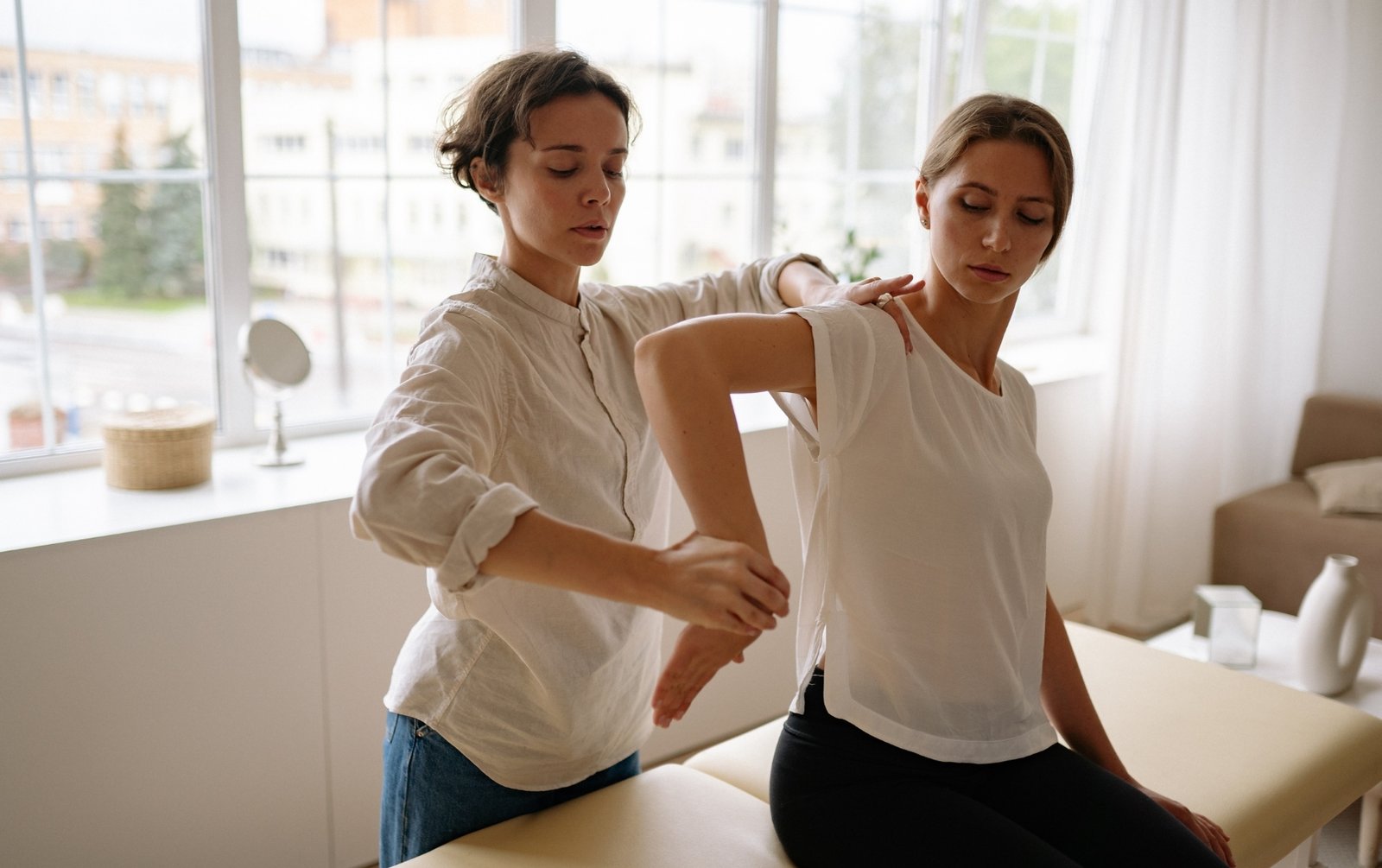
Therapists carefully balance independence and safety throughout the treatment plan. Therapists may recommend certain precautions or tools, alongside strength and balance work, to support safer movement. The ultimate goal is helping patients function as independently as possible within a framework that protects their safety.
Questions Families Should Ask During Therapy
Families play an important role in supporting a loved one's physical therapy plan. Asking about specific therapy goals and how progress will be measured can help families understand what to expect. This understanding also helps families feel more involved in the process.
It also helps to ask how family members can safely support practice at home between sessions. Knowing any precautions or movement restrictions helps prevent accidental setbacks. Families can also ask how therapy goals may change over time, so they know what progress might look like in the months ahead.
Physical Therapy that Supports Real Recovery
Physical therapy after stroke offers far more than a set of exercises. It provides a structured, individualized path toward independence, built around each patient's specific needs and goals. This structured support often makes a meaningful difference in a patient's long-term outlook.
At Augusta Health, our Stroke Center works closely with our rehabilitation therapy services team to provide coordinated, individualized care for stroke survivors. Our therapists work closely with physicians and families to help patients recover safely and improve their quality of life. This collaborative approach helps every part of a patient's care work together.
If you or a loved one is beginning the physical therapy process after a stroke, our team is here to help guide the way. Every plan starts with understanding your unique needs. Call us at 540-255-0344 or visit our website to find an Augusta Health provider near you.