Why Stroke Rehabilitation Should Start Early
Date: November 2, 2026
Categories: Health Focused
Stroke rehabilitation doesn't begin once a patient returns home. In many cases, it starts within days of the stroke itself, often while the patient is still in the hospital. Beginning this process early can play an important role in recovery and long-term function.
Every stroke is different, and so is every recovery. Rehabilitation planning considers each patient's abilities, challenges, and medical condition. Starting early gives patients the best possible foundation to rebuild strength, communication, and independence over time.
What Stroke Rehabilitation Involves
Stroke rehabilitation is a structured process designed to help patients regain as much function as possible after a stroke. It focuses on specific skills that may have been affected, such as movement, speech, or the ability to complete daily tasks. Rehabilitation is not a single treatment, but rather a coordinated plan involving multiple types of therapy.
The goal of rehabilitation is not always to return to exactly how things were before. Instead, it focuses on helping each patient reach the highest level of independence possible for their specific situation. This individualized approach makes rehabilitation more meaningful and more effective.
Rehabilitation Goals Are Based on the Individual
No two stroke recoveries look exactly alike. Rehabilitation goals depend on several factors, including which part of the brain was affected, the severity of the stroke, and the patient's overall medical stability. A care team will evaluate these factors carefully before building a rehabilitation plan.
Patients with similar strokes may still have very different goals, depending on their prior abilities and daily needs. One person's plan might focus heavily on walking and balance, while another's centers on speech and communication. Building a plan around the individual, rather than a one-size-fits-all approach, leads to more meaningful progress.
Introducing Physical, Occupational, and Speech-Language Therapy
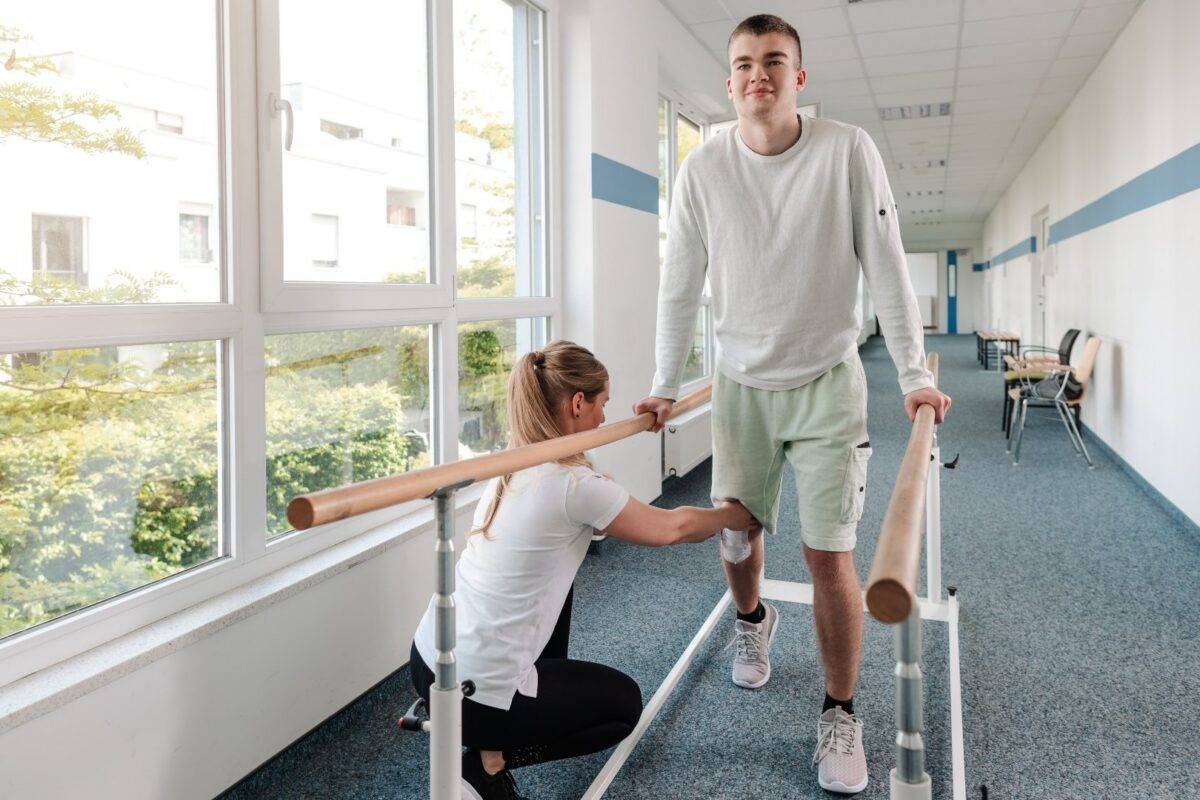
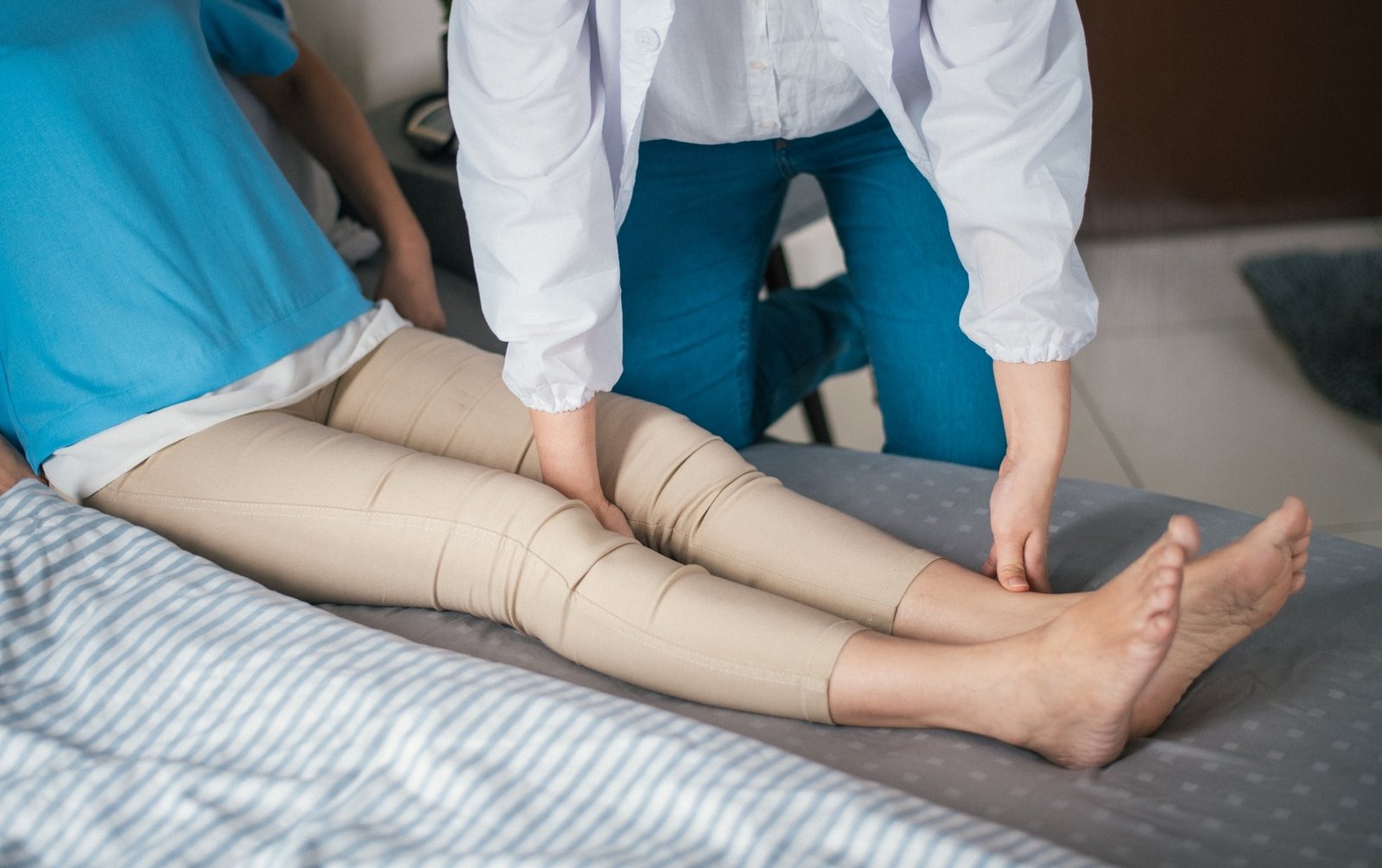
Stroke rehabilitation often involves a team of different therapy specialists working together. Physical therapy focuses on rebuilding strength, balance, and mobility, helping patients regain the ability to move safely. This may include relearning how to walk, stand, or transfer between positions.
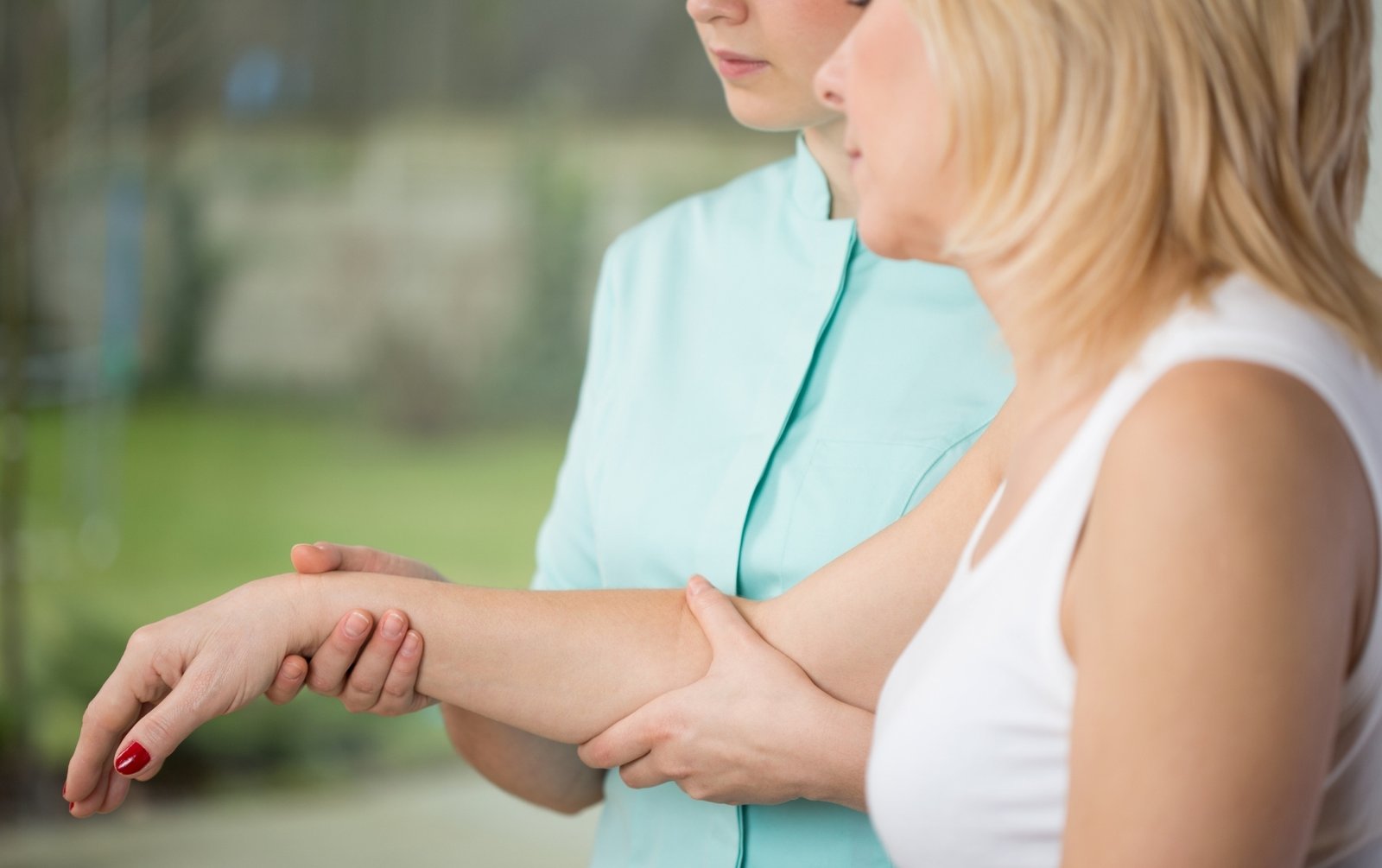
Occupational therapy centers on daily living skills, such as dressing, bathing, and preparing meals. Therapists help patients relearn these tasks, sometimes using new techniques or tools to support independence. Speech-language therapy addresses communication and, in some cases, swallowing difficulties that can occur after a stroke.
Each therapy plays a distinct role, but they often work together as part of one coordinated plan. A patient may participate in more than one type of therapy on the same day, depending on their needs and stamina. This team approach helps address recovery from multiple angles at once.
How Early Rehabilitation Supports Recovery
Starting rehabilitation early can help address several areas at once, including mobility, communication, self-care, and daily functioning. The brain can adapt and reroute certain functions after injury, a process known as neuroplasticity. Early, consistent practice can support this process.
Early rehabilitation can also help prevent complications that sometimes arise from prolonged inactivity, such as muscle weakness or joint stiffness. Addressing these risks early supports a smoother recovery overall. Even small movements or communication exercises in the early days can make a meaningful difference over time.
Rehabilitation Plans Evolve as Abilities Change
A rehabilitation plan is rarely fixed from start to finish. As a patient's abilities change, their care team adjusts the plan to reflect new goals and challenges. What begins as a focus on basic movement may shift toward more advanced balance or coordination work as strength improves.
This evolving approach keeps rehabilitation relevant throughout recovery, whether a patient is still in the hospital, in a rehabilitation facility, or continuing therapy at home. Regular reassessment helps ensure therapy matches the patient's current needs, rather than following a fixed, generic timeline. This flexibility helps make rehabilitation effective over the long run.
Recovery Timelines Differ Significantly
It can be tempting to compare one person's stroke recovery to another's, but timelines vary widely from patient to patient. Some people notice significant improvement within the first few months, while others continue to make gains over a longer period. There is no single correct pace for recovery.
Factors like the severity of the stroke, overall health, and consistency with therapy all influence the pace of recovery. Comparing your progress, or a loved one's progress, to someone else's experience rarely tells the full story. Focusing on personal progress, rather than a specific timeline, is often a more helpful mindset during recovery.
How Families Can Support Rehabilitation Goals
Family involvement can make a meaningful difference throughout rehabilitation. Attending therapy sessions when possible helps families understand the techniques being used, so they can support practice at home. This involvement also helps families feel more connected to recovery.
Encouragement and patience matter just as much as hands-on support. Celebrating small milestones, rather than focusing only on the big picture, can help keep motivation high during a process that often takes time. Families can also help by communicating changes or concerns to the care team, since they often notice details that come up between therapy sessions. This kind of steady support can make a real difference throughout the recovery journey.
Starting the Rehabilitation Journey
Stroke rehabilitation works best when it starts early and continues consistently. At Augusta Health, our Stroke Center brings together an interdisciplinary team dedicated to helping patients regain independence with support, understanding, and encouragement. We build every plan around the patient's needs and goals.
Our resources for stroke survivors include options like neuro rehabilitation, outpatient therapy, and home health, along with support for patients and families throughout the recovery journey. These resources support every stage of recovery, from the hospital to home.
If you or a loved one is navigating stroke recovery, call us at 540-255-0344 or visit our website to find an Augusta Health provider near you.