
How Home Health Helps Prevent Hospital Readmissions
Date: September 22, 2026
Categories: Health Focused
Leaving the hospital can feel like a major step toward recovery. However, the transition home can bring new challenges for patients and caregivers. Skilled home health can provide support during this important period and may help prevent avoidable hospital readmissions.
Readmissions can happen for many reasons. Patients may struggle with medications, wound care, mobility, symptoms, or managing a chronic condition. Home health cannot prevent every readmission, but it can help identify and address some problems before they become more serious.
1) Helping Patients Follow Their Care Plans
After a hospital stay, patients often leave with new instructions. These may involve medications, diet, activity, wound care, follow-up visits, and other parts of recovery. Keeping track of everything can become difficult once the patient returns home.
Home health professionals can reinforce the care plan during visits. They can help patients understand what they need to do and answer questions about their recovery. This support can make it easier to follow the plan outside the hospital.
Clear discharge planning also matters. Interventions that support the transition from hospital to home reduced the risk of hospital readmissions overall.
2) Monitoring Changes in Health
Patients may notice changes in their health after returning home. Some changes may be expected during recovery, while others could signal a developing problem. Distinguishing between the two is not always easy.
Skilled home health professionals can monitor patients during scheduled visits. They may notice changes in symptoms, vital signs, wounds, mobility, or other health-related factors. When concerns arise, they can communicate with the appropriate members of the healthcare team.

Early attention may help prevent a manageable problem from becoming more serious. However, home health is not a replacement for emergency care. Patients should always seek immediate medical attention for severe or sudden symptoms.
3) Supporting Medication Management
Medication changes are common after hospitalization. A patient may start a new prescription, stop an older medication, or change a dosage. Taking several medications can make the routine even harder to manage.
Home health professionals can review medications and reinforce instructions. They may also identify questions or potential problems to discuss with the prescribing provider. The Centers for Medicare & Medicaid Services (CMS) specifically tracks whether home health teams review medications and obtain physician orders for medication issues.
Patients should never change or stop prescribed medications without medical guidance. However, asking questions early can help prevent confusion. A clear medication routine can also support safer recovery at home.
4) Providing Wound and Post-Surgical Care
Some patients return home with an incision, wound, drain, or other area requiring ongoing care. Proper care can be an important part of recovery. Patients may also need to know what changes could indicate a possible complication.
Skilled nursing can provide certain wound care services according to the patient's plan. Nurses can monitor healing and communicate concerns when something appears different. This can help patients receive appropriate guidance before a concern becomes more serious.
Patients and caregivers also receive instructions for continuing care between visits. Following those instructions can support healing and help reduce preventable complications. Report any significant change to the healthcare team.
5) Improving Safe Movement
Limited mobility can create challenges after hospitalization. Patients may feel weaker or less steady than before their illness. This can make everyday activities more difficult and increase the risk of falls.
Physical and occupational therapy can help patients work toward safer movement and greater independence. Therapists can assess mobility and recommend exercises or techniques based on individual needs. They can also help patients practice everyday activities in their home environment.
Improving mobility can support a safer return to normal routines. It can also help patients become more confident with activities such as walking, transferring, and moving around the home. Progress should always follow the patient's medical restrictions and recovery plan.
6) Teaching Patients and Caregivers What to Watch For
Education is an important part of preventing post-discharge problems. Patients and caregivers need to understand which symptoms are expected and which changes deserve attention. They also need to know who to contact when concerns arise.
Home health professionals can reinforce this information during visits. They can demonstrate care techniques and answer questions as patients become more comfortable at home. This ongoing education can help patients participate more actively in their recovery.
Patient involvement matters because recovery continues between healthcare visits. A patient who understands their care plan may be better prepared to recognize changes. They can then contact the appropriate healthcare professional before a problem becomes an emergency.
7) Supporting Chronic Condition Management
Some hospitalizations happen because an existing health condition becomes difficult to manage. Heart failure, chronic lung disease, diabetes, and other conditions may require careful monitoring. Returning home does not mean those health needs disappear.
Home health can help eligible patients follow their treatment plans at home. Skilled professionals can monitor symptoms and reinforce disease-management education. They can also communicate concerns with the patient's broader healthcare team.
This ongoing support can be especially helpful in the period immediately after hospitalization. Patients are adjusting to new routines while their bodies are still recovering. Additional guidance can make that transition easier.
8) Connecting Patients With Their Healthcare Team
Care does not stop when a patient leaves the hospital. Primary care providers, specialists, therapists, nurses, caregivers, and other professionals may all play a role. Good communication helps ensure everyone understands the patient's changing needs.
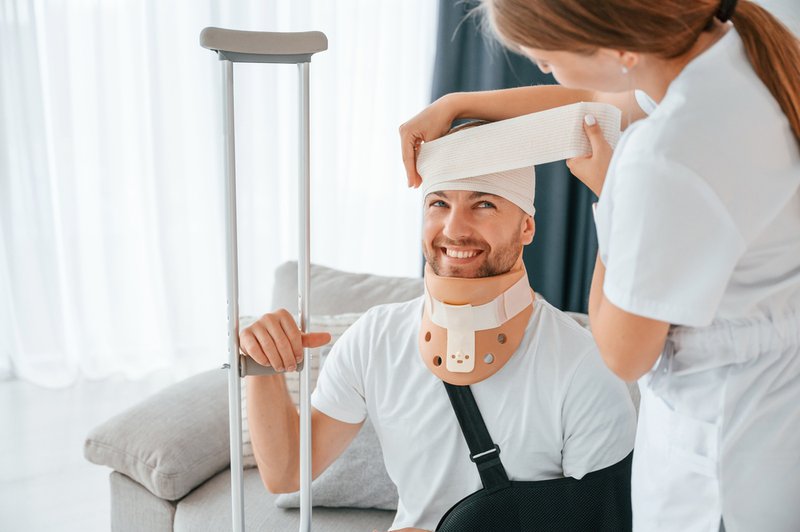
Home health professionals can serve as an important link during this transition. They can share relevant observations with the patient's healthcare team when concerns arise. This communication can help patients receive appropriate follow-up care.
CMS also tracks whether home health agencies transfer health information to other providers. This reflects the importance of communication during transitions between care settings.
9) Responding Before Problems Escalate
One of the biggest benefits of skilled home health is the opportunity to address concerns early. A small change may not require another hospital visit when appropriate care is available. However, recognizing that change requires observation and communication.
Avoid Hospital Readmissions with Continuing Care
Returning home is an important milestone, but some patients need additional support afterward. At Augusta Health, our continuing care services provide several post-acute options based on patient needs and goals. These include home health, skilled nursing, inpatient rehabilitation, therapy services, palliative and transitional care, and hospice support. Call us at 540-324-8021 or visit our website to find an Augusta Health provider near you.