
Home Health After a High-Risk Pregnancy or Surgery
Date: October 15, 2026
Categories: Health Focused, Women's Health
Recovering from a high-risk pregnancy or major surgery can be challenging. Once you leave the hospital, you may be relieved to be home, but you may also wonder how you will manage everything that comes next.
Healing takes time, and it is natural to need some extra help along the way. Home health care provides professional support in the familiar comfort of home, giving patients and their families reassurance as they adjust to life after hospitalization.
For many people, recovering at home with loved ones nearby can make the process feel less overwhelming. With the right care, patients do not have to navigate recovery on their own.
Why Home Health Care Can Make Recovery Easier
Going home after a difficult pregnancy or surgery can bring a mix of emotions. You may feel grateful to be out of the hospital while still feeling tired, uncertain, or nervous about your recovery.
Home health care brings skilled professionals into your home to provide care based on your needs and your physician's plan. Having someone check on your progress, answer questions, and help you manage the next steps can provide valuable peace of mind.
This support can be especially meaningful after a complicated delivery or major surgery. Instead of feeling like you have to figure everything out yourself, you have a team helping you along the way.
Supporting Recovery After a High-Risk Pregnancy
Pregnancy and childbirth can take a significant physical and emotional toll, particularly when complications arise. Even after delivery, some women need additional care and monitoring as their bodies recover.

Home health care can provide that support while letting new mothers stay home with their babies and families.
1) Monitoring for Postpartum Complications
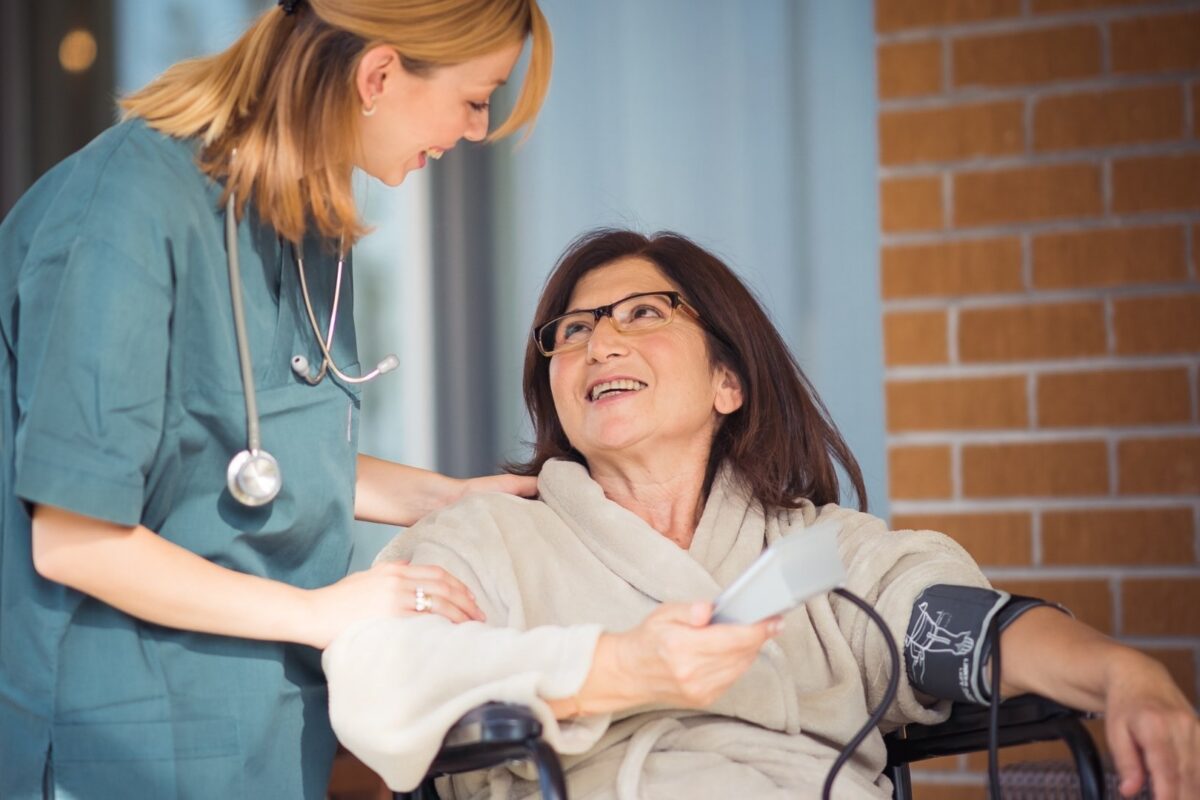
The weeks after childbirth are an important time for recovery. Skilled nurses can check for signs of complications, such as high blood pressure or infection, and communicate concerns to the patient's physician.
This can be particularly important for women who experienced preeclampsia or other complications during pregnancy. A healthcare professional check-in can provide reassurance while helping identify changes that may need additional attention.
2) Wound Care After Cesarean Delivery
Recovering from a cesarean delivery can make the early weeks with a new baby even more difficult. Moving around, caring for yourself, and keeping up with daily responsibilities can be challenging while an incision heals.
A skilled nurse can check the incision, look for signs of infection, and help you understand how to care for different wound types at home. Having this support can make recovery feel more manageable and give you one less thing to worry about.
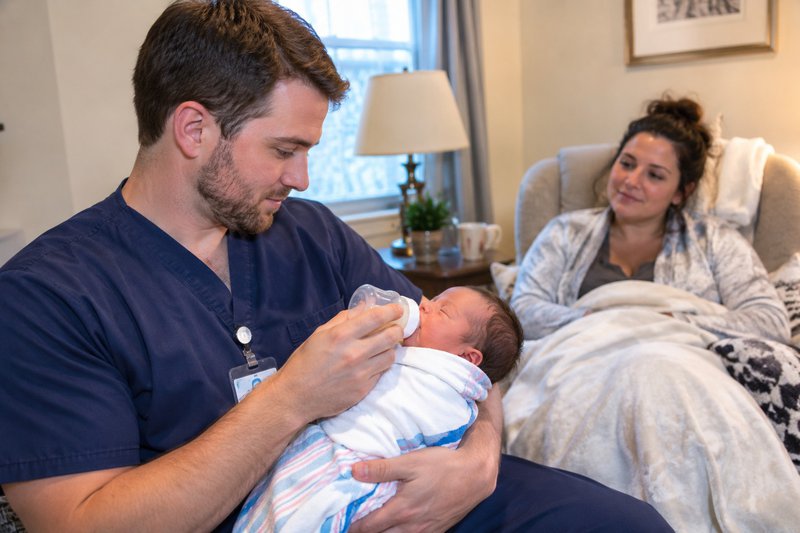
3) Support During the Transition to Newborn Care
Bringing a baby home is a major life change under any circumstances. After a complicated pregnancy or delivery, the adjustment can feel even more demanding.
Home health providers can offer guidance and encouragement as new mothers settle into their routines. Having someone available to answer questions and provide support can help families feel more comfortable during those first weeks at home.
4) Medication Management
After a high-risk pregnancy, some women may need new medications or changes to medications they were taking before pregnancy. Keeping track of medications can be difficult when you are also recovering and caring for a newborn.
A home health nurse can help patients understand their medication schedules and watch for potential side effects. This support can add a sense of security during an already demanding time.
Supporting Recovery After Surgery
Surgery can leave patients feeling tired, uncomfortable, and less independent than they were before. Even everyday activities can take more effort while the body heals.
Home health care can provide the practical and medical support patients need without requiring them to leave home for every part of their recovery.
1) Skilled Nursing Care
A skilled nurse can help with wound care, medication management, and health monitoring during recovery. Nurses can also watch for warning signs that may indicate a complication and communicate concerns with the patient's physician.
Knowing someone is monitoring your recovery can provide comfort, especially during the first days and weeks after surgery.
2) Physical and Occupational Therapy
Some surgeries make it difficult to move around or return to everyday activities. Physical and occupational therapy can help patients rebuild strength, improve mobility, and become more comfortable with daily tasks.
Receiving therapy at home can make exercises feel more relevant because therapists can work with patients in the spaces where they actually live. They can also help patients find safer, easier ways to manage everyday activities as they regain strength.
3) Fall Prevention and Mobility Support
It can take time to feel steady and confident after surgery. Pain, weakness, medications, or limited mobility can make everyday movement more difficult and increase the risk of falling.
Home health providers can look at the home environment and offer practical suggestions to make moving around safer. These small changes can help patients feel more confident as they work toward greater independence.
Additional Support for Patients and Families
Recovery is about more than medical care. Patients may also need help with everyday tasks, emotional challenges, or the practical details of coming home after a hospital stay.
A medical social worker can help patients and families connect with community resources, find additional support, and navigate healthcare-related needs. Having someone to help with these details can ease the pressure on patients and their loved ones.
A home health aide may also assist with personal care, such as bathing, or other light household tasks. This kind of help gives patients more time and energy to focus on what matters most: healing.
Recovering at Home With the Support You Need
Recovering from a high-risk pregnancy or surgery can be a vulnerable time. You may not feel like yourself yet, and you may need more help than you expected. That does not mean you are falling behind. Healing takes time, and having support can make the process easier.
With home health care, patients can receive professional guidance while resting in a familiar environment surrounded by the people they love. Knowing someone is there to help monitor your recovery, answer questions, and support your progress can bring comfort when you need it most.
Continuing Care and Women's Health Support at Augusta Health
At Augusta Health, our Home Health program provides skilled nursing, physical therapy, occupational therapy, speech therapy, medical social work, and home health aide services. Our nurses are available on call 24/7to help patients feel supported as they transition from hospital to home.
Our Center for Women's Health also supports women through high-risk pregnancies with coordinated prenatal and postpartum care. Together, these services can help women and their families feel more supported before, during, and after a difficult pregnancy or surgery.
If you or someone you love could benefit from additional support at home, call Augusta Health at 540-324-8021 or visit our website to find an Augusta Health provider near you.