
When Home Healthcare Makes Sense for Older Adults

Date: October 20, 2026
Categories: Health Focused
Knowing when to bring in extra help for an aging parent or loved one is rarely simple. It often creeps up slowly, a missed pill here, a small stumble there, until one day you realize something needs to change. Home healthcare can be exactly what is needed, but figuring out the right timing is often the hardest part.
No perfect moment arrives when a light switches on and tells you it is time. Instead, it is usually a collection of small signs that add up over weeks or months. Many families second-guess themselves, wondering if they are overreacting or waiting too long.
Here are some gentle signs that home healthcare might be the right next step for an older adult you love.
Signs It Might Be Time for Home Healthcare
If you have been wondering whether it is time to seek support, you are probably already noticing some of these signs. Trust that instinct. It is usually there for a reason.
1) Frequent Falls or Near Falls
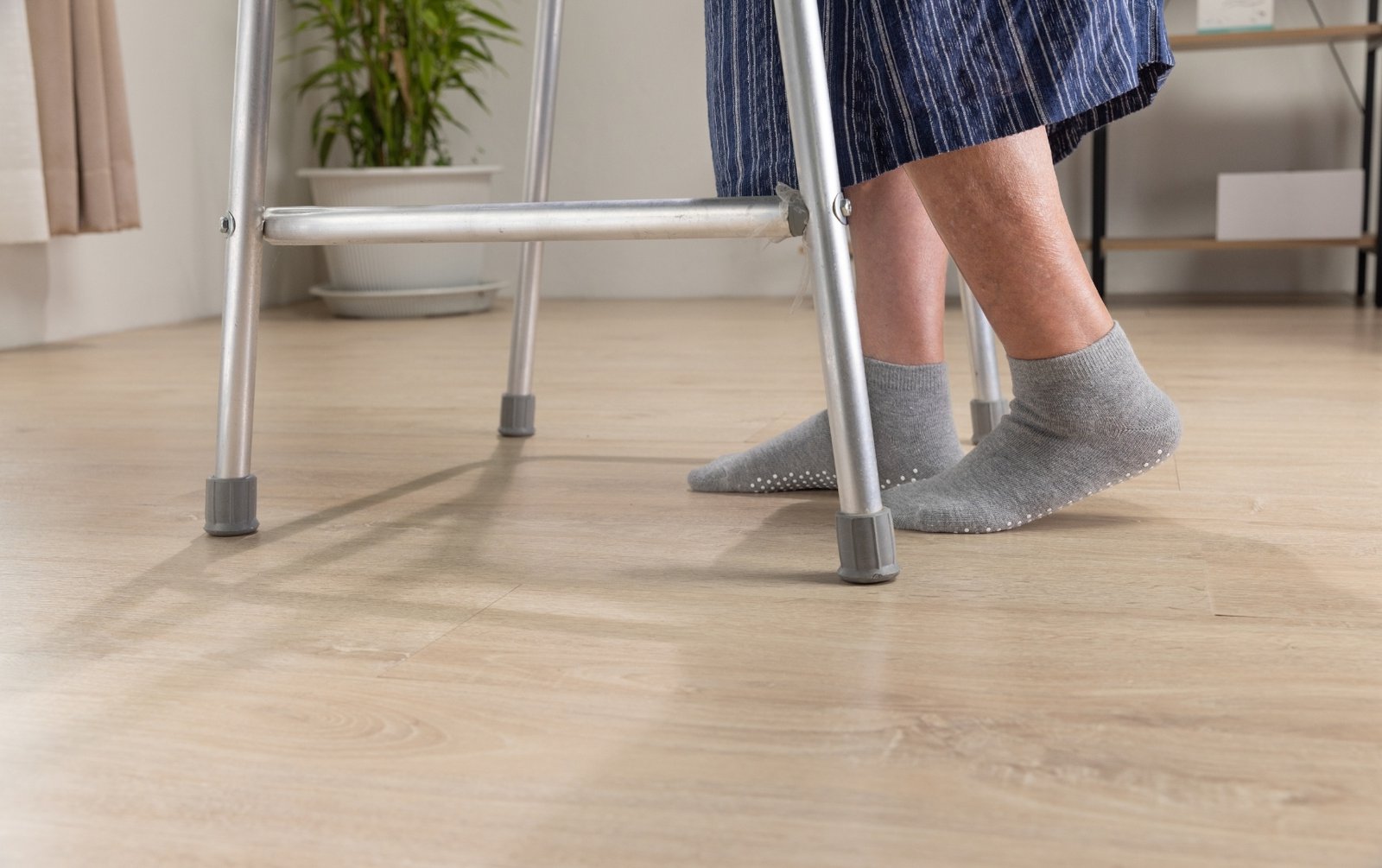
A single fall can be a scary wake-up call, but repeated falls or near falls clearly signal that you need extra support. Balance and strength often decline gradually, sometimes without anyone noticing until a fall happens. Home healthcare can include a safety assessment and support to help reduce the risk of future falls.
2) Trouble Managing Medications
Missed doses, doubled-up pills, or confusion about which medication to take when are more common than most people realize. This isn’t a reflection of your loved one failing. It simply means managing multiple prescriptions has become genuinely difficult, and a skilled nurse can help bring order back to the routine.
3) Difficulty With Daily Tasks
When everyday tasks like bathing, dressing, or preparing meals start to feel like a struggle, it is worth paying attention. These changes often happen gradually, making them easy to miss until they become more noticeable. Home healthcare can offer support with these tasks while helping your loved one maintain as much independence as possible.
4) Managing a Chronic Condition
Conditions like diabetes, heart disease, or COPD often require consistent monitoring and care. If managing a chronic condition has become overwhelming, or if symptoms have recently changed, home healthcare can provide the extra support you need. Regular check-ins from a skilled nurse can help catch changes early.
5) Recovering From a Hospital Stay
The time right after a hospital stay can be especially vulnerable for older adults. Without the right support at home, small setbacks can quickly turn into a return trip to the hospital. Home healthcare can help ease this transition and reduce the risk of complications during recovery.
6) Family Caregivers Feeling Stretched Thin
Sometimes the clearest sign isn’t about your loved one at all. It is about you. Caregiver stress is real. If you are feeling exhausted, overwhelmed, or stretched too thin trying to manage everything on your own, that matters too. Bringing in professional support doesn’t mean you are stepping back. It means you are making sure your loved one gets consistent, quality care.
7) Noticeable Changes in Memory or Behavior
Increased confusion, forgetfulness, or changes in mood and behavior can be difficult to witness in someone you love. These changes are worth discussing with a provider, since they can sometimes point to an underlying health issue. Home healthcare can offer support and monitoring while you navigate these changes together.
Trusting Your Instincts
If you are reading this because something has been nagging at you, that feeling is worth listening to. You know your loved one better than anyone, and noticing these changes isn’t overreacting. It is love paying close attention.
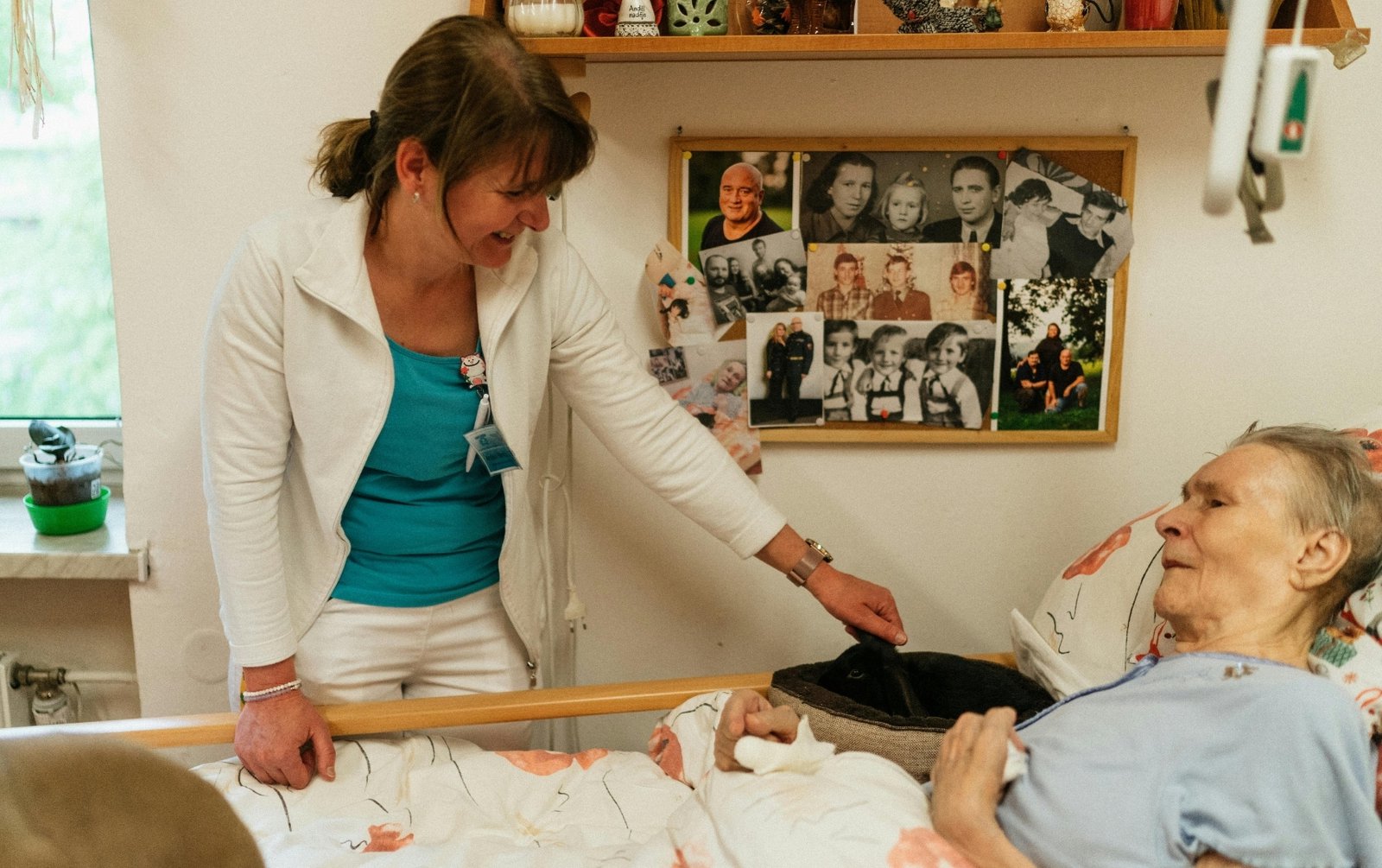
Bringing up home healthcare with a parent or loved one isn’t always easy. Approaching it with compassion, rather than urgency, often helps. Framing it as extra support rather than a loss of independence can make the transition feel less overwhelming for everyone involved.
You Don’t Have to Navigate This Alone
Deciding when it is time for home healthcare is rarely black and white, and you don’t have to figure it out by yourself. Talking with a provider can help you understand what kind of support might be the right fit. Sometimes an outside perspective can bring clarity when everything feels confusing from the inside.
Home Health Support at Augusta Health
At Augusta Health, our Home Health program offers skilled nursing, physical therapy, occupational therapy, speech therapy, medical social work, and home health aide services, all provided right in the comfort of home. With nurses on call 24/7, families never have to navigate concerns alone, even outside of regular hours. Our team works closely with your loved one's physician to provide coordinated, compassionate care.
We understand how much thought goes into this decision, and we are here to help make it feel a little less overwhelming. Call us at 540-324-8021 or visit our website to find an Augusta Health provider near you.