Fall Prevention at Home After Surgery or Injury
Date: November 17, 2026
Categories: Health Focused
Fall risk often increases temporarily after surgery or an injury, even for people who were steady on their feet before. Reduced strength, changes in balance, or new movement restrictions can make familiar spaces feel unfamiliar. Taking a closer look at your home can help you catch hazards before they lead to a fall.
This checklist walks through the areas of your home most worth evaluating during recovery. Use it as a starting point, and adjust based on your specific mobility needs and any restrictions from your care team. A little preparation now can prevent a lot of worry later.
Why Fall Risk Rises After Surgery or Injury
After surgery or an injury, your body often works with less strength, coordination, or range of motion than before. Pain, swelling, and stiffness can also affect how confidently you move, even in familiar spaces. Combined, these changes can make a stumble more likely early in recovery.
Pain medications can add another layer of risk, since some cause drowsiness or affect balance. Fatigue from healing itself can also play a role. Recognizing this temporary increase in risk is the first step toward reducing it.
Common Household Hazards to Address
A few household hazards tend to come up again and again during recovery. Reviewing these areas ahead of time can help you feel more prepared. Small changes in each area can add up to a much safer space.
1) Loose Rugs and Uneven Flooring
Loose rugs and mats are a leading cause of falls, especially for anyone using a mobility aid. Securing rugs with non-slip backing, or removing them during recovery, can significantly reduce this risk. Uneven flooring transitions between rooms also deserve a second look.
2) Clutter and Pathways
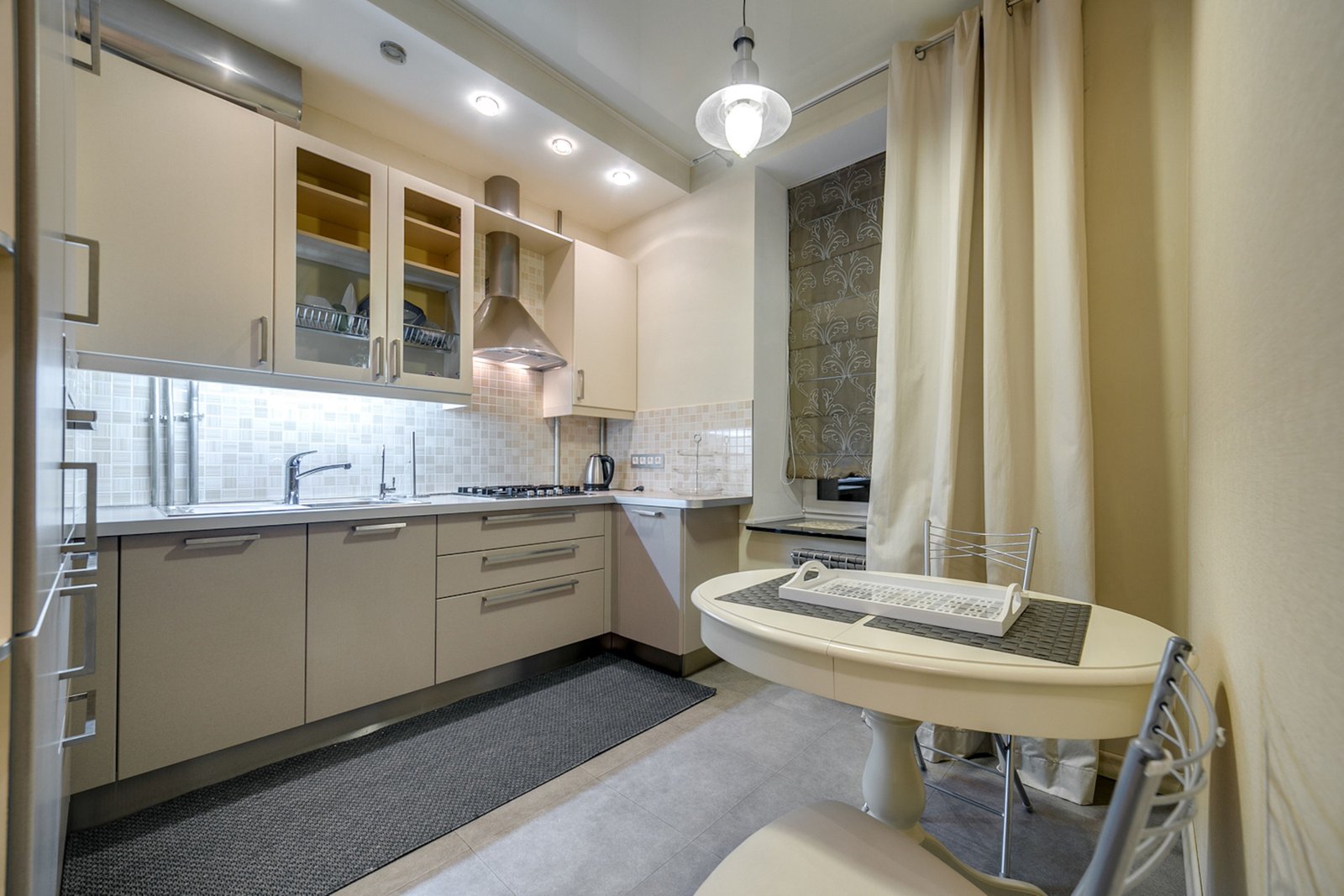
Clutter along walkways, including shoes, cords, and stacked items, can create unexpected obstacles. Clearing a wide, consistent path through frequently used areas makes movement safer and more predictable. This matters most in hallways and near doorways.
3) Poor Lighting
Dim or inconsistent lighting makes it harder to spot hazards, particularly at night. Adding nightlights along hallways and near the bathroom can improve visibility during nighttime trips. Bright, consistent lighting throughout living areas supports safer movement at any hour.
4) Hard-to-Reach Items
Items stored on high shelves or in low cabinets can encourage risky reaching or bending. Rearranging frequently used items to a comfortable height reduces the temptation to stretch beyond safe limits. This small change can prevent unnecessary strain.
Bathroom Safety Considerations
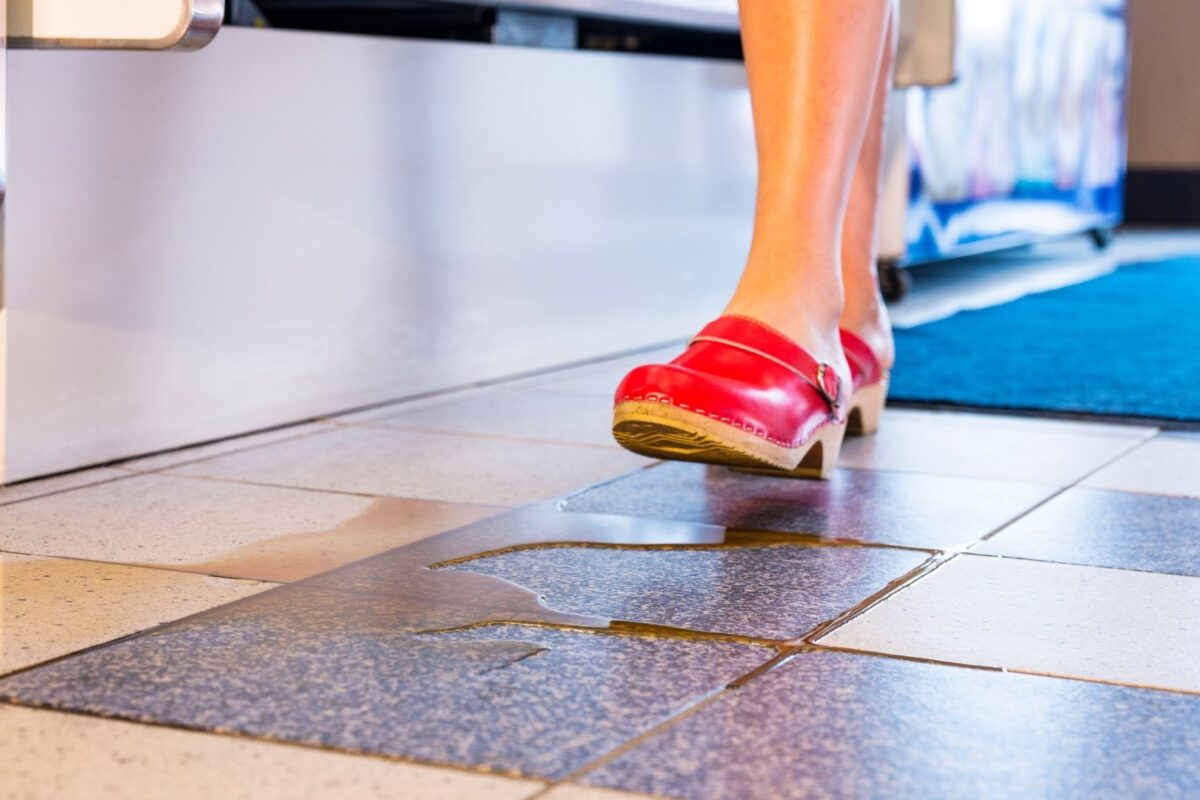
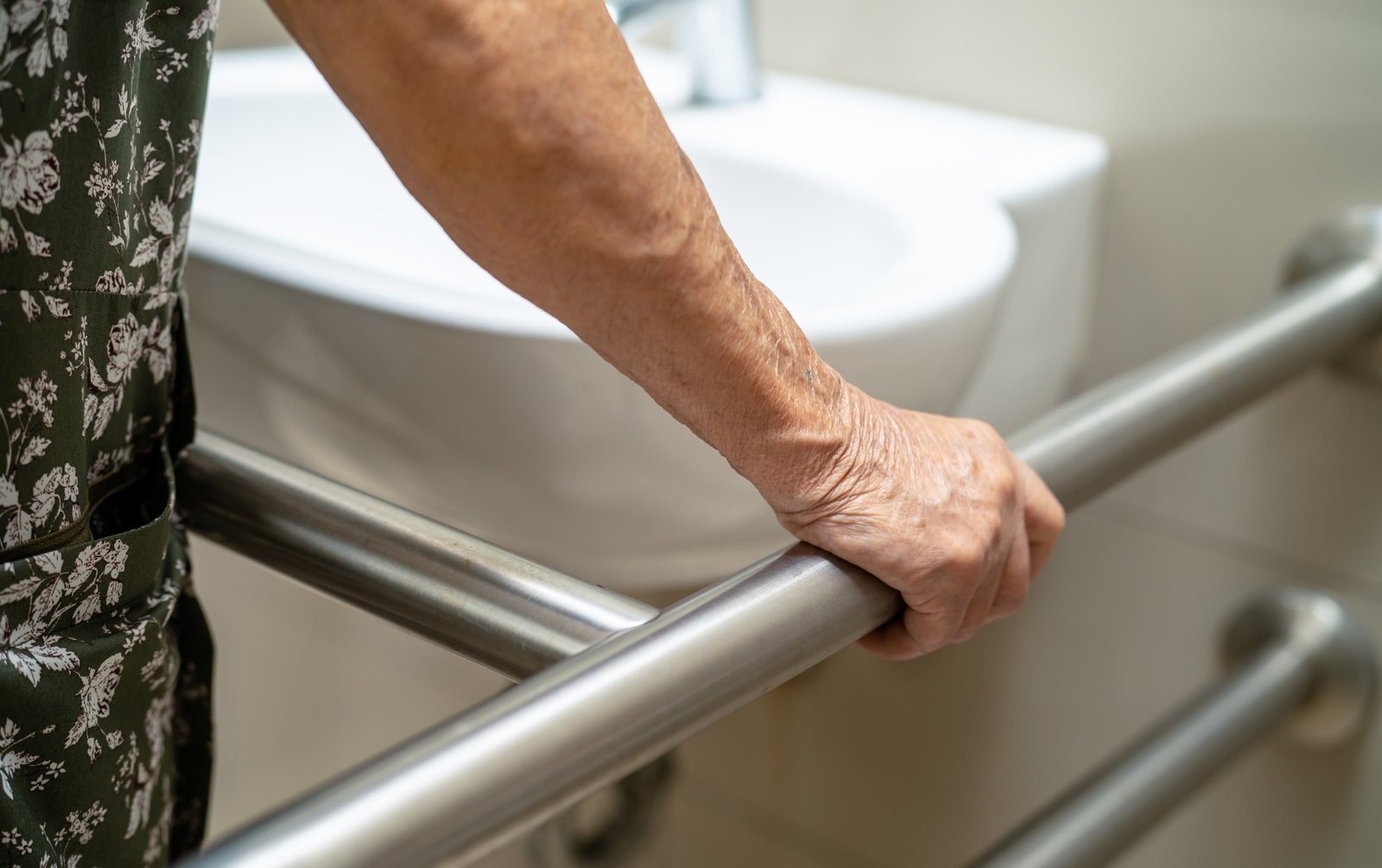
Bathrooms present unique fall risks due to wet, slippery surfaces and tight spaces. A non-slip mat inside and outside the shower or tub can reduce the risk of slipping on wet floors. Grab bars near the toilet and shower provide extra stability during transfers.
A shower chair or bench can also make bathing safer, particularly for patients with weight-bearing restrictions. Raised toilet seats are another helpful addition for some patients, especially after hip or knee surgery. Evaluating your bathroom setup before returning home can prevent a stressful first encounter with these spaces.
Stairs, Entryways, and Pathways
Stairs deserve particular attention during recovery, since they combine several fall risk factors at once. When possible, sturdy handrails on both sides of a staircase provide extra support. Adequate lighting at the top and bottom of stairs also helps prevent missteps.
Entryways can present their own challenges, including thresholds, uneven steps, or loose doormats. Walking the specific pathways you use most often, such as from your bedroom to the bathroom, can help identify hazards specific to your routine. Addressing these details ahead of time makes navigating your home feel more predictable.
Using Mobility Aids and Footwear Correctly
If you have been prescribed a mobility aid, using it correctly plays a major role in fall prevention. Ask your care team to confirm proper fit and technique, since an improperly sized device can increase your risk rather than reduce it. Take your time when using a mobility aid, especially on uneven surfaces. If you need help obtaining a mobility aid, ask your care team about available medical equipment resources, including Care Home Medical.
Supportive footwear also matters more than many people expect. Shoes with good traction and a secure fit offer much more stability than loose slippers or socks alone. Choosing the right footwear, even at home, is a simple step that supports safer movement.
How Strength and Balance Rehabilitation Help
Strength and balance rehabilitation play an important role in reducing fall risk over time. As muscles regain strength and coordination improves, everyday movements become steadier and more controlled. This progress often happens gradually, but it builds toward safer mobility.
Working with a physical therapist can help you build strength in a way that fits your specific recovery stage. Balance exercises, tailored to your abilities, can also reduce the wobbliness that sometimes accompanies recovery. Consistent practice with guidance tends to produce more reliable improvement than general activity alone.
Why Fall Prevention Should Be Individualized
Every recovery looks different, which means fall prevention recommendations should be individualized as well. A patient recovering from hip surgery may need different home modifications than someone recovering from a wrist fracture. Weight-bearing restrictions, balance limitations, and overall mobility all shape what matters most in a specific situation.
What works well for one patient's home may not apply to another's layout or routine. That is why general checklists, while helpful as a starting point, should be adjusted to individual needs and professional guidance. Tailoring these steps to your own situation makes them far more effective.
Ask Your Care Team for Specific Recommendations
Your healthcare team or physical therapist can offer specific, personalized recommendations based on your recovery and living situation. Don't hesitate to ask detailed questions about your specific restrictions, mobility aids, or home layout. These conversations can help you feel more confident navigating your space safely.
Bringing a list of questions to your appointment, or asking a home health provider during a visit, can help ensure nothing important gets overlooked. Personalized guidance often makes a bigger difference than a generic checklist alone. Your care team knows your specific situation better than any general list ever could.
Preventing Falls, Supporting Recovery
Fall prevention plays a central role in safe recovery after surgery or injury. At Augusta Health, our surgical services team helps prepare patients for a safe return home, and our home health services program can provide additional support once you are there. Every part of this care works together to help you heal safely.
A safer home can make all the difference during recovery. Our continuing care services team can help connect you with the right resources for a safer recovery. Call us at 540-324-8021 or visit our website to find an Augusta Health provider near you.