
Recovering Safely at Home After an Orthopedic Injury
Date: November 13, 2026
Categories: Health Focused
An orthopedic injury can change your daily routine overnight. Whether you are recovering from a fracture, a torn ligament, or another musculoskeletal injury, the days and weeks after treatment often bring new challenges. Learning how to navigate your home safely during this time can make a real difference in how smoothly you heal.
Recovery looks different depending on the type of injury, but many of the same principles apply across the board. Here is what to know about recovering safely at home after an orthopedic injury, no matter which joint or bone is involved. A few thoughtful adjustments can make daily life feel much more manageable.
Common Challenges After an Orthopedic Injury
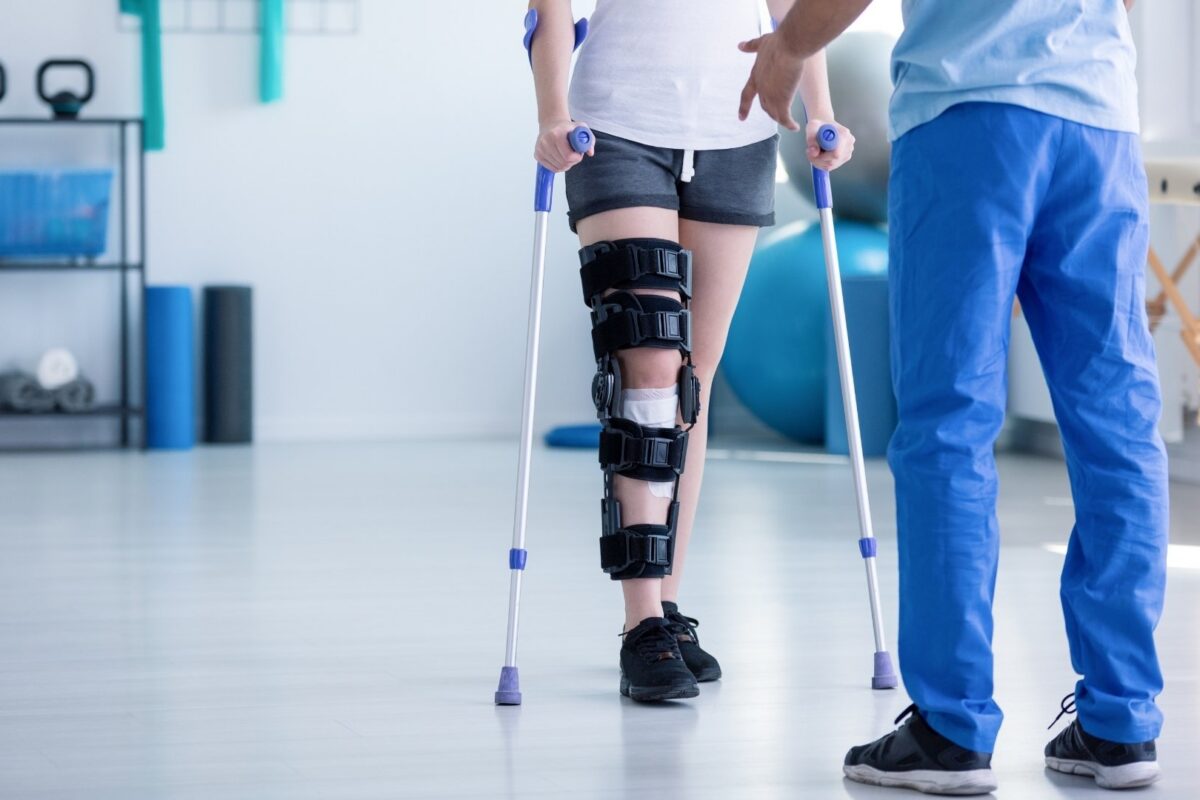
Reduced mobility is one of the most common challenges people face after an orthopedic injury. Depending on the injury, you may need to avoid putting weight on a limb, limit certain movements, or rely on a mobility aid for a while. These changes can make even simple daily tasks feel more complicated.
Temporary weakness is another common experience during recovery. Muscles surrounding an injured area often weaken from reduced use, even over a relatively short period. This weakness typically improves with time and appropriate therapy, but it can feel discouraging in the early weeks.
Why Following Activity Restrictions Matters
Your provider will likely give you specific instructions about weight-bearing limits, movement restrictions, and activity levels during recovery. Following these instructions closely plays a major role in how well your injury heals. Pushing beyond these limits, even with good intentions, can slow healing or lead to further injury.
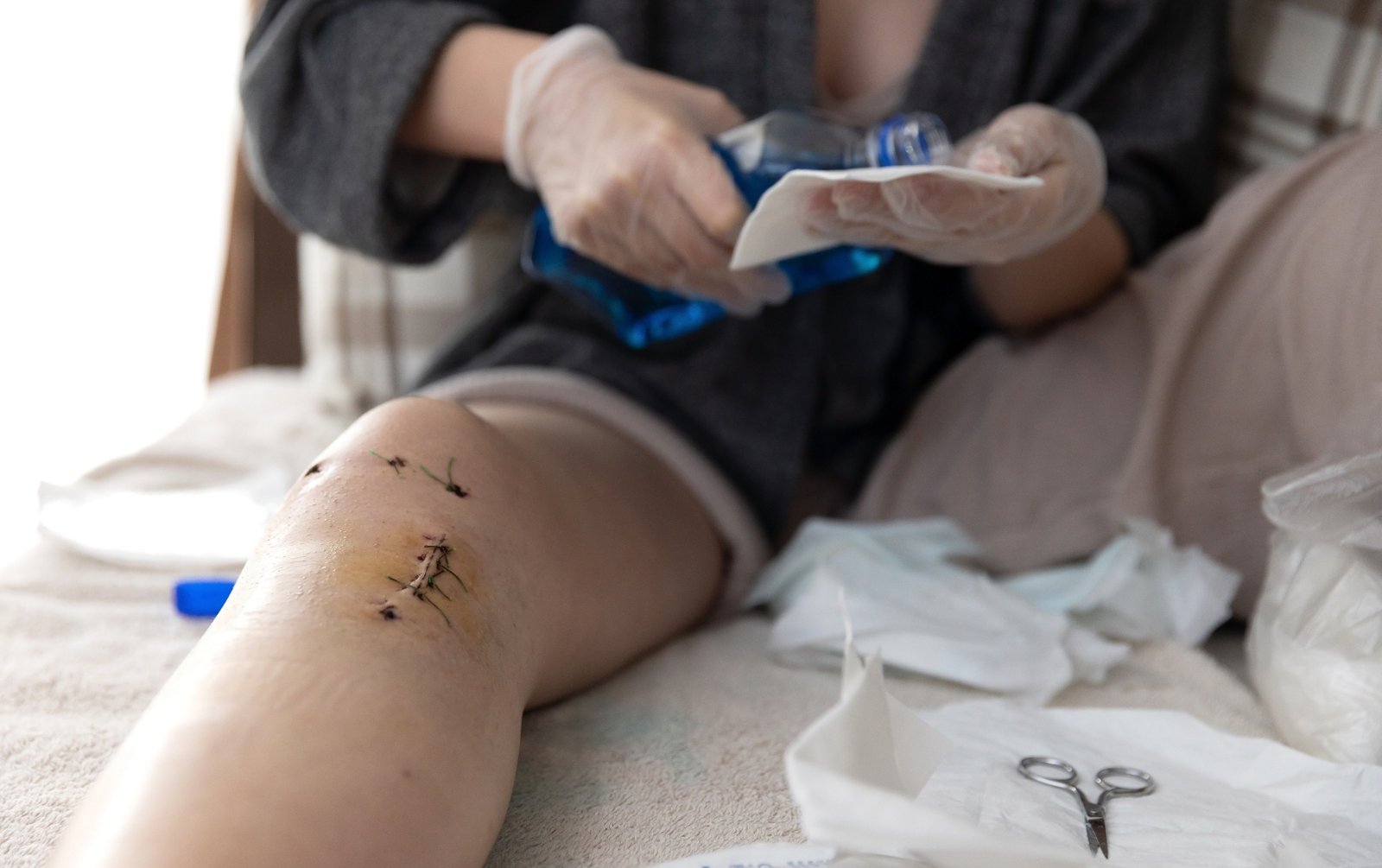
These restrictions are based on your specific injury and treatment, so they may look different from someone else's recovery plan. If a restriction feels unclear or difficult to manage at home, reaching out to your care team for guidance is always a reasonable step. Sticking closely to your plan gives your body the best chance to heal properly.
Organizing Your Home to Minimize Unnecessary Movement
Small changes to your home setup can reduce strain during recovery. Keeping frequently used items, such as medications, phone chargers, and snacks, within easy reach can help you avoid unnecessary trips across the house. Setting up a comfortable recovery space on one level of your home can be especially helpful if stairs are difficult right now.
Consider placing a small table or organizer near where you spend most of your time resting. This kind of setup helps limit how often you need to get up and move, which can be especially important if you are managing weight-bearing restrictions. Planning ahead can prevent unnecessary strain later.
Using Mobility Aids Safely
If your provider has recommended a mobility aid, such as crutches, a walker, or a knee scooter, using it correctly matters just as much as using it at all. Ask your care team to confirm proper fit and technique before relying on the device at home. Using a mobility aid incorrectly can increase your risk of falling or place unnecessary strain on other parts of your body. If you need equipment for recovery at home, your care team can also help connect you with appropriate resources, such as Care Home Medical.
Take your time when moving around, especially in tight spaces or on uneven flooring. Rushing while using a mobility aid increases the risk of a misstep. If you notice a mobility aid isn't working well for your space or routine, tell your provider so they can make adjustments.
How Families Can Help Without Creating Dependence
Family members often want to step in and help as much as possible after an orthopedic injury. Helping with tasks that are currently off-limits, offering encouragement, and maintaining a safe home environment can all be valuable forms of support. At the same time, doing too much for a loved one can unintentionally slow their progress toward independence.
Encouraging a loved one to safely complete tasks within their approved activity level helps support their recovery and confidence. Checking in about what kind of help is actually needed, rather than assuming, can prevent frustration on both sides. This balance often becomes easier to find as recovery progresses.
Signs Recovery May Not Be Progressing as Expected
Most orthopedic injuries improve steadily with proper care, but certain signs suggest recovery may not be on track. Increasing pain, rather than gradual improvement, deserves attention from your care team. Swelling that worsens instead of easing, or new numbness and tingling, are also worth reporting promptly.
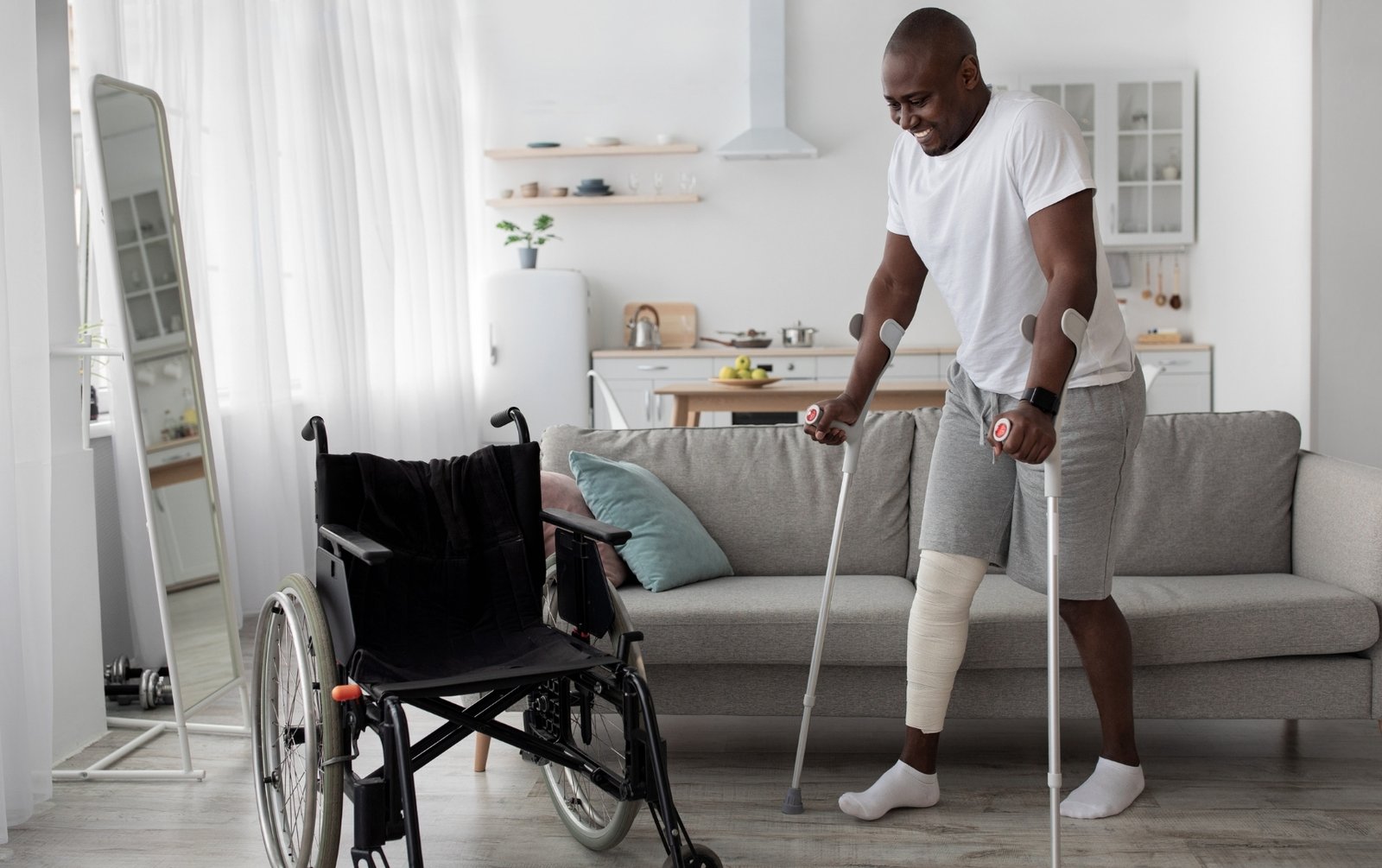
Difficulty bearing weight when you previously could, or a visible change in the shape or alignment of the injured area, should never be ignored. These signs do not necessarily mean something serious is happening, but they do warrant a conversation with your provider. Catching potential issues early often makes them easier to address.
When Home Health Services May Help
For some patients, home health services offer valuable support during orthopedic recovery. A nurse or therapist can check in regularly, monitor your healing progress, and help you follow your provider's instructions. This option can be especially helpful for patients managing significant mobility limitations or complex recovery needs.
Home health support can also ease the burden on family members who may not have medical training. Having a professional involved provides an extra layer of guidance and reassurance throughout recovery. This support often helps both patients and families feel more confident during a difficult stretch.
Healing Safely, One Step at a Time
Recovering from an orthopedic injury takes patience, planning, and the right support along the way. At Augusta Health, our orthopedic surgery team provides expert care for a wide range of musculoskeletal injuries, and our home health and continuing care teams support safe recovery once you are back home. Every part of this care works together to support your healing.
Healing takes time, and you do not have to go through it alone. We are here to support you at every step of the journey. Call us at 540-324-8021 or visit our website to find an Augusta Health provider near you.