
What Do Home Health Services Provide?
Date: September 18, 2026
Categories: Health Focused
Home health services provide certain skilled healthcare services in a patient's home. These services can help people recover after hospitalization, surgery, illness, or injury. They may also support people managing certain long-term health conditions.
The care is based on an individualized plan developed around the patient's needs. Services can include skilled nursing, physical therapy, occupational therapy, speech-language therapy, medical social work, and home health aide support. Not every patient needs every service.
Home health is also different from emergency care. It is designed for patients who are medically stable enough to receive appropriate care at home. Your healthcare provider can determine whether home-based skilled care is appropriate for you.
1) Skilled Nursing
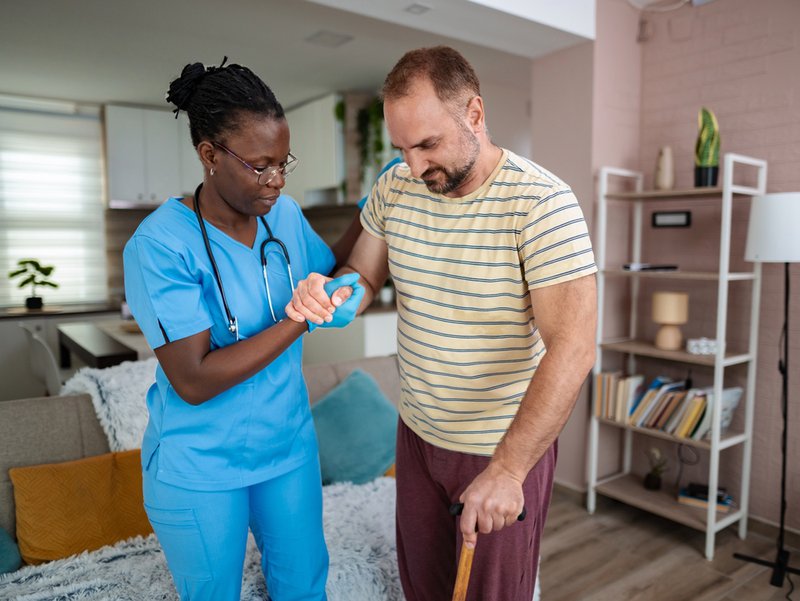
Skilled nursing is one of the most common home health services. A nurse may help monitor your condition, provide certain treatments, and communicate changes to your healthcare provider. Nursing support can be especially helpful during the early stages of recovery.
Depending on your care plan, nursing services may include medication management, wound care, injections, and health monitoring. Nurses may also teach patients and caregivers how to manage certain health needs safely. This education can help patients become more confident managing their care.
2) Physical Therapy
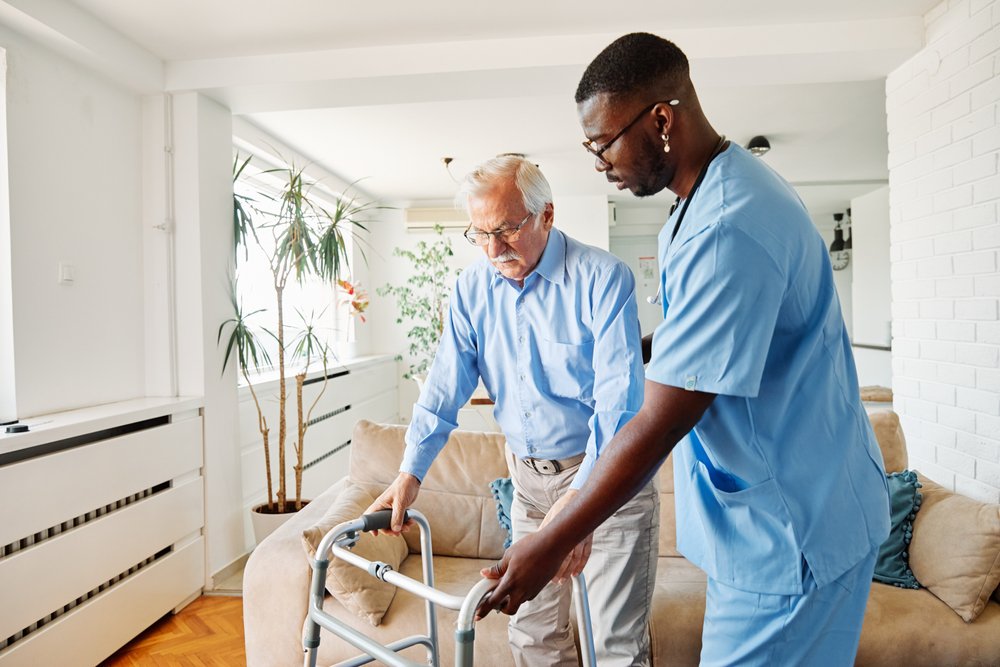
Illness, injury, or surgery can affect your strength, balance, and mobility. Physical therapy can help patients work toward improved movement and physical function. A therapist can create exercises based on your abilities and recovery goals.
Treatment may focus on walking, balance, strength, flexibility, or safe movement. Your therapist may also recommend ways to reduce fall risks at home. The goal is to help you regain abilities and become more independent.
3) Occupational Therapy
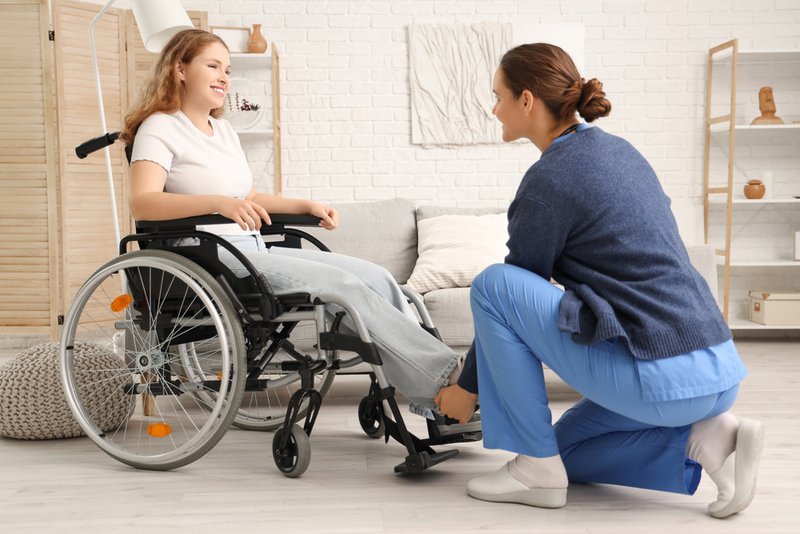
Occupational therapy focuses on helping people safely perform everyday activities. These activities can include bathing, dressing, preparing meals, or moving around the home. Health conditions can sometimes make familiar tasks more difficult.
An occupational therapist can assess your abilities and identify potential challenges in your home environment. They may recommend exercises, techniques, or equipment that make daily activities safer. This support can help patients regain confidence and independence.
4) Speech-Language Therapy
Some illnesses and injuries can affect communication or swallowing. Speech-language therapy can help address these challenges. It may be useful for people recovering from a stroke, neurological condition, or other health problem.
Treatment depends on the patient's specific needs. A therapist may work on speech, language, memory, communication, or swallowing skills. The goal is to support safer and more effective daily communication and function.
5) Medical Social Work
Recovery can involve more than physical health concerns. Patients and caregivers may also need help understanding available resources, adjusting to changes, or planning for ongoing care. Medical social workers can help address some of these needs.
A medical social worker may connect patients with community resources and support services. They can also help families understand care options and navigate challenges during recovery. This support can be especially valuable when health needs affect daily life.
6) Home Health Aide Services
Home health aides can provide certain personal care services as part of an eligible patient's home health plan. Depending on the care plan, this may include assistance with activities such as bathing, grooming, or dressing.
Home health aide services are generally provided alongside other skilled services. They are not the same as full-time personal care or household assistance. Your healthcare team can explain what support is available based on your individual needs.
Who May Need Home Health Services?
Home health may benefit people who need skilled care but can safely remain at home. This can include people recovering from surgery, injury, or serious illness. It may also include people who need help managing certain chronic conditions.
Medicare generally requires eligible patients to meet specific conditions to be covered for home health. These requirements can include being homebound and needing part-time or intermittent skilled services. A healthcare provider must also certify that the patient needs home health care.
Not everyone recovering from an illness needs home health. Some people may need outpatient therapy, inpatient rehabilitation, skilled nursing, or another level of care. Your healthcare team can help determine the best option for your recovery.
How Home Health Supports Recovery
Receiving care at home can make the transition from a hospital or other facility easier. Patients can practice their recovery skills in the environment where they will use them every day. Caregivers can also learn how to support the patient's needs safely.
Home health can help patients follow their care plans and recognize changes that need attention. Nurses and therapists can communicate with other members of the healthcare team when concerns arise. This coordinated approach can support a safer and more confident recovery.
What Home Health Does Not Provide
Home health does not provide around-the-clock medical supervision. It also does not replace emergency care when a serious or sudden health problem occurs. Patients experiencing an emergency should seek immediate medical attention.
Home health is also different from general household assistance. Services are connected to a patient's healthcare needs and care plan. If you need ongoing help with cooking, cleaning, errands, or companionship, you may need a different type of support.
Knowing Your Home Health Options
Home health services can provide valuable skilled care for people recovering at home. Nursing, therapy, social work, and other services can address different parts of recovery. The right combination depends on your health, abilities, and personal goals.
At Augusta Health, home health is part of its broader continuing care services. This continuum also includes inpatient rehabilitation, therapy services, skilled nursing, palliative and transitional care, and hospice support. This range allows patients and families to explore care options that fit changing needs and recovery goals.
Are you considering home health? Don’t forget to talk with your healthcare provider about whether it is right for you. You may also call us at 540-324-8021 or visit our website to find an Augusta Health provider near you.