
Home Health After Joint Replacement Surgery

Date: November 12, 2026
Categories: Health Focused, Primary Care
Coming home after joint replacement surgery can feel like a relief and a big adjustment all at once. You are finally in familiar surroundings, but you are also navigating a new set of needs while your body heals. This transition matters just as much as the surgery itself.
Home health support can make this stretch of recovery feel more manageable. With the right help in place, you can focus on healing while following your surgeon's care plan, rather than trying to figure everything out alone. Home support can make each day of recovery feel a little less daunting.
Why the Transition Home Matters
Leaving the hospital or surgical center is a major step in joint replacement recovery, but it is not the finish line. Your body still needs time, care, and consistent support to heal properly. The environment and routines you return to can shape how smoothly that healing process goes.
Many patients feel a mix of relief and uncertainty during this stage. You may feel ready to be home, yet unsure how to manage medications, mobility, or wound care on your own. This gap is exactly what home health support is designed to fill.
How Home Health Professionals Support Your Recovery
Home health professionals work alongside your surgeon's care plan, bringing skilled support directly into your living space. A nurse or therapist can check in regularly, helping you stay on track with the specific instructions your surgical team has provided. This coordination helps ensure nothing important falls through the cracks.
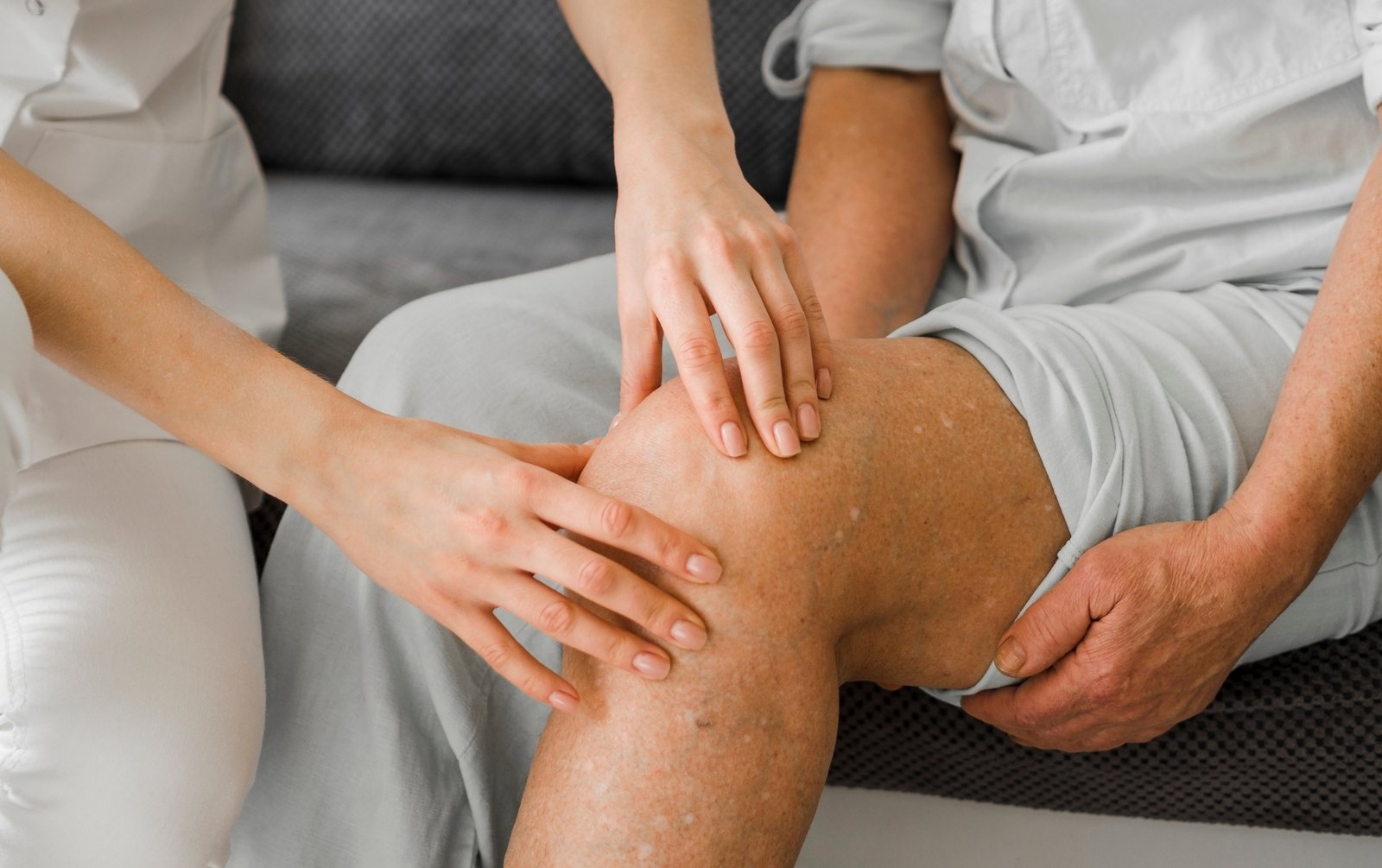
Support at home also means you don't have to manage every detail of recovery on your own. Instead, a trained professional helps guide you through each step, adjusting support as your needs change. This kind of consistent, hands-on care can ease a lot of the worry that comes with recovering at home.
Areas of Support That May Be Appropriate
Home health support can cover several areas depending on your specific needs. Mobility assistance helps you move safely around your home, especially in the early weeks when balance and strength are still returning. A home health aide or nurse may also help you establish a safe, consistent medication routine.
Wound monitoring is another important area of support, since catching early signs of infection can prevent bigger problems down the road. Support with daily activities, such as bathing or dressing, may also be included when appropriate. Each of these areas helps you heal safely and comfortably at home.
The Role of Physical Therapy in Rebuilding Strength
Physical therapy often continues at home as part of your recovery plan. A therapist can guide you through exercises designed to rebuild strength, improve range of motion, and support safe movement around your house. These sessions build directly on the progress you made during earlier stages of recovery.
Practicing these exercises consistently, with proper guidance, helps you regain mobility more effectively than trying to figure it out alone. Your therapist can also adjust your exercises as your strength improves, keeping your recovery moving forward at a safe pace. Following this guidance closely often leads to steadier, more lasting progress.
How Your Home Environment Affects Recovery
Your home environment plays a bigger role in recovery than many people expect. Loose rugs, cluttered walkways, or poorly lit stairways can all increase your risk of a fall during this vulnerable stage. Making a few adjustments before or shortly after surgery can go a long way toward keeping you safe.
Simple changes, like removing tripping hazards or adding a shower chair, can support a smoother recovery. A home health professional can help identify specific changes that would benefit your particular living space. These small adjustments often make daily tasks feel much more manageable.
Warning Signs to Share With Your Healthcare Team
Report certain changes during recovery to your healthcare team rather than monitor them quietly at home. Increased redness, warmth, or drainage around your incision site deserves prompt attention. Share any sudden increase in pain, swelling, or difficulty bearing weight right away.
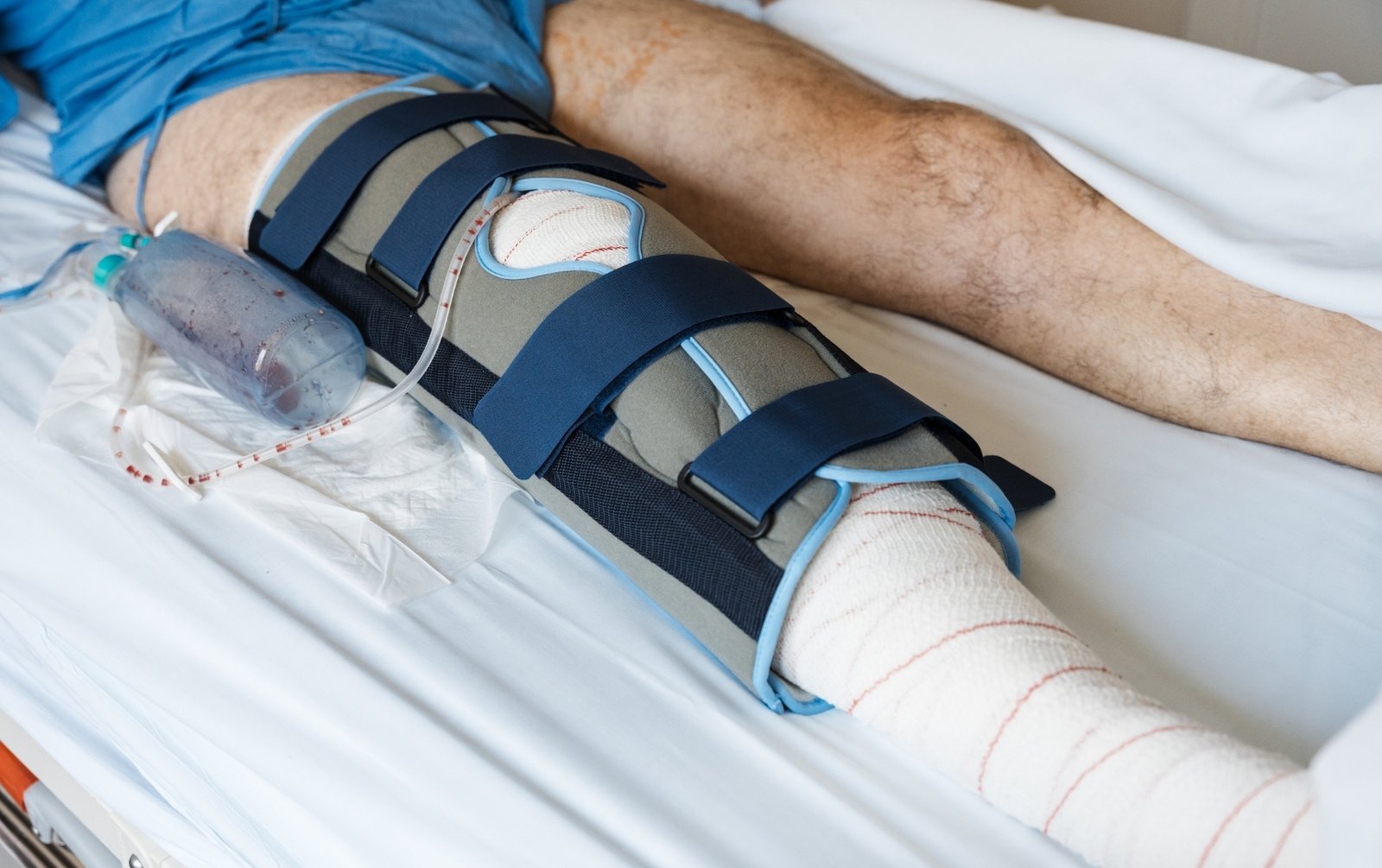
Fever, chills, or any sudden change in how the joint feels are additional signs worth reporting. Your care team would much rather hear from you with a question than have a concern go unaddressed. Staying in close communication helps catch potential issues before they become bigger problems.
How Families Can Support Recovery
Family members often want to help as much as possible during this stage of recovery. Assisting with transportation, household tasks, or simply offering encouragement can make a real difference. At the same time, allowing your loved one to safely do what they can on their own supports their strength and confidence.
Taking over every task, even with good intentions, can sometimes slow down a patient's progress toward independence. Following guidance from the home health team helps families find the right balance between support and encouragement. This balance often becomes easier to find as healing progresses.
Support Every Step of the Way
Recovering from joint replacement surgery at home does not have to feel overwhelming. At Augusta Health, our home health services team brings skilled nursing, therapy, and support directly to your living space, helping you heal safely and comfortably. We are here to walk alongside you at every stage of recovery.
Our continuing care services and Joint Care teams work together to support your recovery from the hospital through home. If you or a loved one is preparing for joint replacement surgery, call us at 540-324-8021 or visit our website to find an Augusta Health provider near you. We are honored to be part of your recovery journey.